
Blues and bluegrass share parts of America’s musical landscape, but they ask you to listen in different ways. Blues often centers a voice, a guitar and a phrase that can lean, bend or pause. Bluegrass builds momentum through an acoustic string band, close harmony and a relay of instrumental breaks. Hear the rhythm, the ensemble and the tone, and the difference becomes clear.
The short answer
Blues is an African American musical form that developed in the Southern United States from deep traditions of work songs, spirituals and other Black musical practices. The Library of Congress traces its recognizable sound to the late nineteenth century, including the bent or flattened notes that gave the style its name.
Bluegrass arrived later, becoming widely recognized in the 1940s through Bill Monroe and the Blue Grass Boys. It is a modern, tradition-based string-band sound, usually played on acoustic guitar, five-string banjo, mandolin, fiddle and upright bass. The Library of Congress notes that bluegrass absorbed elements of old-time music, gospel, jazz, country and blues, then made something new from that meeting.
Listen first for the shape of the band
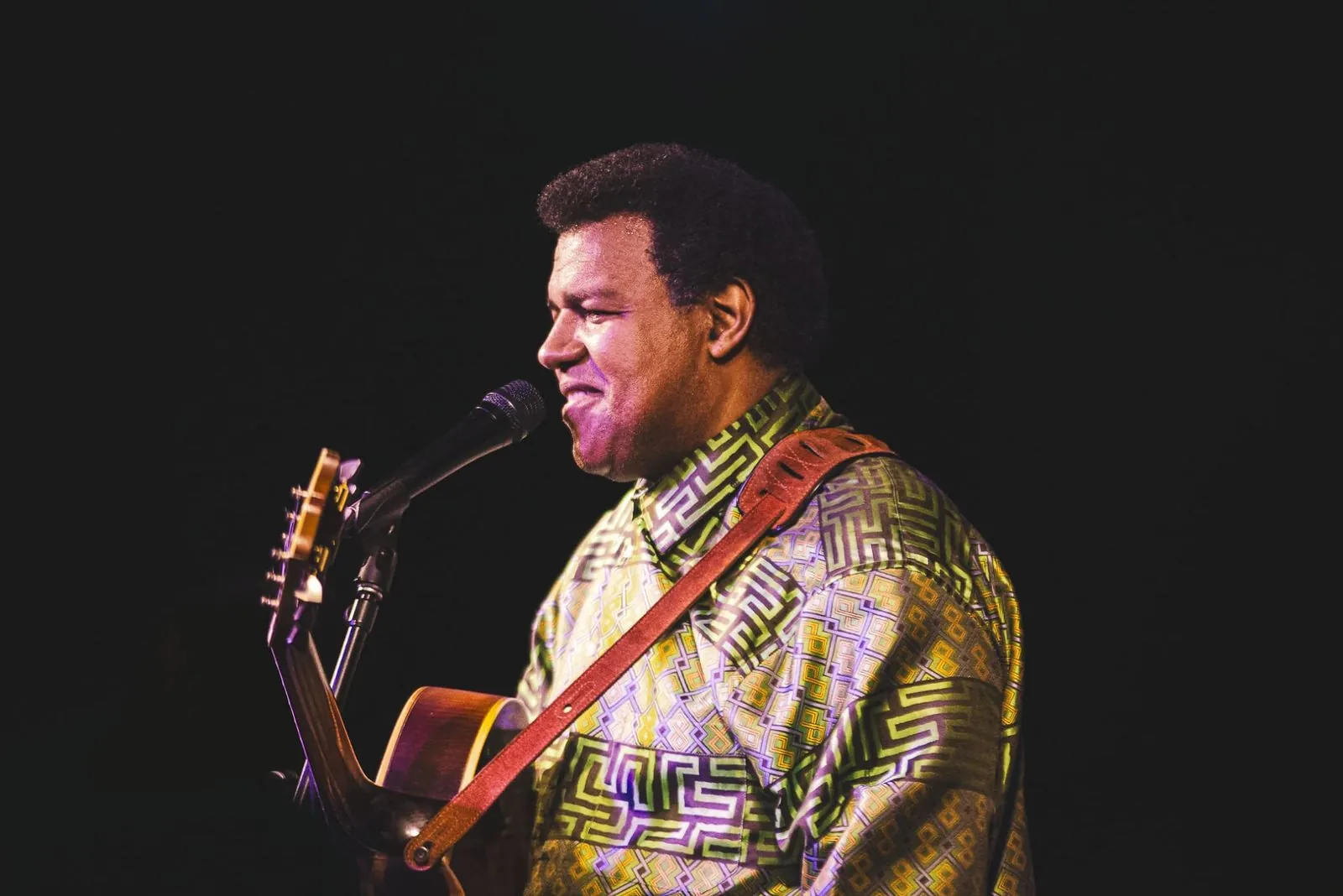
In many blues performances, one singer or instrumentalist carries the emotional center. A guitarist may answer a vocal line, stretch a note behind the beat or leave a small pocket of silence before the next phrase. A blues group can certainly be powerful and full, but the music often feels like a conversation around an individual voice.
Bluegrass puts the ensemble in motion from the start. Guitar and bass establish the pulse. Banjo, mandolin and fiddle add rhythm, fills and melody. Then one player takes a break while the rest of the band supports it. That shared propulsion is one of the quickest ways to recognize the style. Smithsonian Folkways describes bluegrass as a sound in which melody instruments take turns carrying the tune while the others return to backing.
A useful first-listen test is simple: if the song feels built around a personal vocal or guitar statement, you may be hearing blues. If it feels like five acoustic voices passing a bright, urgent conversation around the room, you are likely in bluegrass territory.
Rhythm: space and feeling versus forward drive
Blues rhythm can be steady, but it has room to breathe. Musicians may pull against the pulse, delay a phrase or let a bent note hang in the air. The feeling is not simply slow or sad. Blues can be funny, danceable, defiant or joyful, but its phrasing often leaves room for character inside the beat.
Bluegrass rhythm is more collective and insistent. The band’s time tends to move forward, creating the energetic lift players call drive. The Library of Congress describes bluegrass timing as surging slightly ahead of the main beat. That lift helps a small acoustic group feel fast, focused and full of motion.
Neither approach is better. They simply create different invitations. Blues asks you to notice the weight of a phrase. Bluegrass asks you to feel what happens when every player commits to the same forward current.
Instruments overlap, but their jobs change
Guitar appears in both traditions, which can confuse a first-time listener. In blues, guitar may carry the whole accompaniment, trade lines with the singer or step forward for a solo. In bluegrass, guitar often anchors the rhythm while other instruments add their own texture. The banjo, mandolin and fiddle are especially central to the classic bluegrass blend.
The banjo is also a reminder that American music histories overlap without becoming interchangeable. Its story reaches back to West African string traditions and African-descended musicians in the Americas. Read the band’s guide to the African roots of the banjo for that longer journey. A shared instrument does not erase the distinct histories and creative communities that made blues and bluegrass what they are.
Vocals and lyrics carry different kinds of attention
Blues vocals often sound close to speech. A singer may repeat a line, answer it with a guitar phrase, or use a rough, intimate tone that makes a single image feel immediate. The familiar twelve-bar progression is common, but blues is not defined by a formula alone. Its identity also lives in vocal inflection, blue notes and the way a performer turns experience into a personal statement.
Bluegrass vocals often ride above the instruments in close harmony. A lead voice may be high and piercing, joined by a duet, trio or quartet. The result is sometimes called the high lonesome sound. Rather than a singer standing apart from the band, the voice becomes another force inside the ensemble arrangement.
For a fuller listening map of that ensemble sound, start with what bluegrass music sounds like, then follow the guide to bluegrass instruments. Both make it easier to hear who is doing what in a busy acoustic arrangement.
Improvisation is shared, but the conversation changes
Both blues and bluegrass make room for improvisation. In blues, an instrumentalist may reshape a melody, answer a vocal, stretch a tone or build a solo around a repeating progression. The expressive details matter as much as the notes on the page.
In bluegrass, improvisation often happens in defined breaks. The tune keeps moving while a player takes a featured turn, then hands the role to someone else. That pattern helps make bluegrass jams so social. If you have ever seen a circle of players nod toward the next soloist, you have seen the form at work. The band’s bluegrass jam guide explains how those shared cues keep the music welcoming and alive.
Where the two traditions meet
It is accurate to say that blues influenced bluegrass. It is not accurate to flatten blues into one ingredient on a list. Blues is a major African American art form with its own history, artists, regional styles and musical language. Bluegrass musicians drew from a wide Southern sound world that included blues alongside gospel, old-time string-band music, country and jazz.
That meeting is part of what makes American roots music worth hearing closely. Pascal Bokar’s work carries lived connections between Mali and Senegal, blues, jazz, bluegrass and Afro-funk. On the band’s music page, listeners can hear that curiosity as a living practice, not a museum label. For schools, libraries and presenters, the education programs bring those conversations into the room through performance and story.
A quick listening checklist
When you are not sure whether you are hearing blues or bluegrass, listen for these cues:
- Band shape: A lead voice or guitar-centered conversation often points toward blues. A tightly coordinated acoustic string band often points toward bluegrass.
- Rhythm: Blues can lean into space and flexible phrasing. Bluegrass usually drives forward with a shared pulse.
- Sound: Bent notes, call-and-response and expressive guitar are classic blues signals. Banjo, mandolin, fiddle, close harmony and instrumental breaks are classic bluegrass signals.
- Soloing: Blues solos often grow from a singer’s phrasing or a repeating progression. Bluegrass breaks are commonly passed around the band.
Once you hear those patterns, the overlap becomes more interesting, not more confusing. You can recognize the shared American landscape while still respecting the particular stories each tradition tells.
Frequently asked questions
What is the main difference between blues and bluegrass?
Blues is an African American musical form rooted in expressive vocals, blue notes and flexible phrasing. Bluegrass is a string-band style built around acoustic ensemble drive, close harmony and instrumental breaks. Both can feature guitar and improvisation, but they organize a song very differently.
Is bluegrass a type of blues?
No. Bluegrass drew from several American traditions, including blues, but it is its own genre. Its classic sound centers on banjo, mandolin, fiddle, guitar and bass moving as a tightly arranged acoustic ensemble.
Can a song be both blues and bluegrass?
A musician can bring blues feeling, a blues progression or blues-inflected guitar into a bluegrass setting. The result may sit between traditions, but listeners can still hear whether the performance is led by blues phrasing or by bluegrass ensemble rhythm and breaks.
Which is easier to hear first, blues or bluegrass?
Listen for the group shape. A blues performance often leaves room for a singer or soloist to bend time and tone. A bluegrass band usually creates a shared forward pulse, then hands the spotlight from one player to the next.
Related posts
Related post
Where Did the Blues Originate? A Short History
The African American roots of the blues, from West African continuities to the Mississippi Delta.
Read the article
Related post
Bluegrass Instruments: A Listener’s Guide
The six essential bluegrass instruments, banjo, mandolin, fiddle, guitar, bass and resonator guitar, and how they work together.
Read the article
Related post
What Is a Bluegrass Jam? A Listener’s Guide
How a bluegrass jam moves through songs, breaks, rhythm and shared listening.
Read the article