

Bluegrass is acoustic music with a pulse you can feel. A banjo roll, a mandolin chop, a fiddle line and a close vocal harmony all move together, then one player steps forward for a bright, concise break before the whole band locks back in.
The short answer
Bluegrass is an American string-band style built around acoustic instruments, close ensemble listening and forward motion. The classic sound brings together five-string banjo, mandolin, fiddle, acoustic guitar and upright bass. Players sing in close harmony, take turns on instrumental breaks and keep the music moving with a rhythmic lift often called the bluegrass drive.
That description is useful, but it can make bluegrass sound like a list of ingredients. The real difference is in the relationship between the players. Bluegrass does not merely put five instruments on the same song. Each instrument has a job, each player leaves space for the next voice and the group makes a tight, lively conversation out of time, melody and rhythm.
The style took shape in the 1940s around Bill Monroe and the Blue Grass Boys, drawing from older Southern string-band, country, gospel and fiddle-tune traditions. The name eventually came from the band itself. For the fuller history, start with the band’s guide to where bluegrass originated.
The five sounds most listeners hear
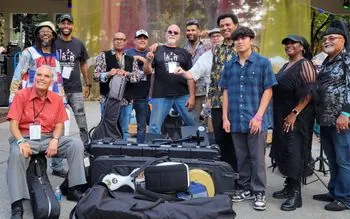
A traditional bluegrass band is easy to identify once you know what to listen for. The upright bass gives the beat a grounded center, usually with a firm note on each pulse. The guitar fills out the harmony and helps push the rhythm ahead. The mandolin often adds a short, percussive chop on the offbeats. Fiddle and banjo can carry melody, answer a singer or burst into a break of their own.
Those roles are flexible. A guitar can take a solo, a mandolin can lead the tune and a fiddle can become part of the vocal answer. What matters is the handoff. When one musician steps forward, the others do not disappear. They keep the song’s shape clear so the solo sounds like part of the band rather than a detour away from it.
The banjo is perhaps the sound most people recognize first. Earl Scruggs made a three-finger picking approach famous in bluegrass, creating rolling patterns that could carry rhythm and melody at the same time. Yet the banjo’s story is much older and wider than the genre. The band’s African banjo guide traces the instrument through West African and African American musical histories before it became a bluegrass lead voice.
The drive is not just speed
Bluegrass can be fast, but fast playing alone does not create the bluegrass sound. The drive comes from how the players place time together. The bass keeps the center firm. Guitar and mandolin create motion around it. A banjo roll can keep the surface moving, while fiddle or mandolin phrases lean into the beat, answer it or briefly pull against it.
That is why a medium-tempo song can still feel urgent. The band is creating momentum without rushing. A listener may not name every rhythmic choice, but they can feel the difference when the group locks in. The music seems to move forward as one unit, even while every instrument keeps its own character.
A history of bluegrass from Bluegrass Heritage traces how this acoustic string-band sound developed around Bill Monroe and the musicians who made the early style vivid. That interplay is the useful word. A bluegrass performance is not only about who can play the quickest notes. It is about whether the players can make the whole song breathe, rise and land together.
Close harmony gives the music its edge
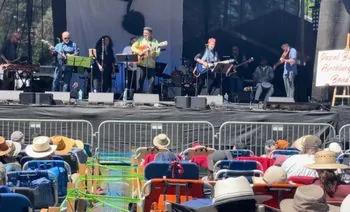
Bluegrass singing is usually direct and bright. A lead singer carries the melody while another singer adds a close harmony above or below, with a third part completing the chord. The blend can sound high and urgent, especially when the song is fast or emotionally intense.
Harmony does more than decorate the chorus. It creates a contrast with the instrumental breaks. A band may begin with voices close together, open up space for a banjo or fiddle solo, then return to a chorus that sounds even more connected because everyone arrives at the same moment. That movement between group voice and individual voice is one of bluegrass’s strongest musical habits.
The material can be joyful, comic, spiritual, romantic or full of loss. Bluegrass is not defined by one subject or mood. Its identity comes from the sound of the ensemble, the precision of the vocal blend and the way the song keeps moving.
Why the breaks matter
A bluegrass break is a short featured instrumental passage. The player might follow the melody closely, decorate it with a few turns or find a new line that fits the song’s chord movement. The other musicians support the break with the same pulse and harmony, so the player has freedom without losing the ground beneath them.
This is where bluegrass often surprises new listeners. The music is carefully organized, but it is not rigid. A familiar song can change from one performance to the next because the players are listening in real time. One guitarist may give a phrase more space, a fiddler may answer the singer differently or a banjo player may make the chorus feel lighter by changing the roll.
That balance between structure and invention connects bluegrass to other American roots forms. It does not make bluegrass the same as jazz or blues, but it gives listeners a way into the larger conversation. The band’s jazz origins story and blues origins story follow two other traditions where timing, individual voice and response inside the ensemble matter deeply.
Bluegrass, old-time and country are related, not identical
Bluegrass shares family ties with old-time music and country music, but it is not simply another name for either one. Old-time string-band music often keeps the ensemble playing together for dancing, with less emphasis on a featured soloist. Bluegrass makes room for individual breaks and a more sharply defined rhythm section.
Country music has long shared songs, artists, audiences and instruments with bluegrass. But country is a broad field that has included many different band sounds, from acoustic string bands to electric guitars and studio orchestration. Bluegrass keeps the acoustic string ensemble at its center, and the give-and-take among those instruments is part of the point.
The same genre history highlights the importance of Bill Monroe, Earl Scruggs and the instrumental lineup that made the style distinct. That history matters, but the simplest way to hear the difference is to listen for the band’s internal conversation: the rhythm holding steady, one player stepping out, then everyone returning to the song together.
A wider American roots conversation
Bluegrass did not grow in isolation. The music carries older Appalachian and Southern traditions, while the banjo carries a history shaped by African and African American instrument-making, creativity and survival. Gospel harmony, blues feeling, dance music and radio-era country all moved through the same broad musical world.
That wider view makes the sound more interesting. It lets listeners hear bluegrass as a living American music, shaped by exchange rather than a sealed tradition. A mandolin chop can sit beside a banjo roll, a close vocal harmony can open into a fiddle break and a player can bring their own timing to an inherited tune. The style stays recognizable because the ensemble keeps the conversation coherent.
How to start listening
The easiest way into bluegrass is to choose one element at a time. On a first listen, follow the bass and guitar. They make the foundation visible. The bass gives the song weight, while the guitar keeps the harmony moving. On the next listen, notice the mandolin. Its short offbeat accents can make the whole band feel more alert, even when it is not playing a melody.
Then listen for the handoff into a break. A singer finishes a line, one instrument steps forward and the rest of the band stays present underneath it. When the solo ends, the song does not stop and restart. It folds naturally back into the vocal or the next player. That is one of the small miracles of a good bluegrass group: every musician can be heard clearly, but the ensemble never feels broken apart.
It also helps to compare two versions of the same tune. One performance may move quickly and keep the breaks close to the melody. Another may slow down, stretch the vocal harmony or give the fiddle more room. Neither approach is automatically more authentic. Bluegrass has always balanced recognizable material with the personality of the players in the room.
For a concise introduction to the style’s early sound, this PBS LearningMedia overview of bluegrass beginnings is a useful companion. The goal is not to memorize a list of names. It is to recognize the feel of the music when the rhythm starts pulling forward and the players begin answering one another.
Hear the connections in Pascal Bokar AfroBlueGrazz
Pascal Bokar AfroBlueGrazz approaches American roots music from inside a much wider musical map. Pascal’s life and musical work connect Mali and Senegal with jazz, blues, bluegrass and Afro-funk. The band does not treat those traditions as a costume or a list of labels. It brings rhythm, melody, groove and improvisation into an active conversation on stage.
That makes this bluegrass listening guide more than a history lesson. Once you notice the band’s rhythmic handoffs, the relationship between a lead voice and the ensemble, or the way a string instrument can carry both pulse and melody, you can hear those ideas travel across styles. Explore the band’s recordings for the sound in motion, or visit the music and education programs for performances that bring the stories behind the music into the room.
Bluegrass rewards close listening, but it does not demand expertise. Start with the pulse. Notice when the band makes space. Listen for the moment a solo turns back into a chorus. The sound becomes clearer quickly, because bluegrass is built to make a group of musicians feel like one moving voice.
Frequently asked questions
What is bluegrass music?
Bluegrass is an acoustic American string-band style known for fast, precise ensemble playing, close harmony singing, instrumental breaks and a strong rhythmic forward motion often called the drive.
What instruments are used in bluegrass?
The classic bluegrass lineup includes five-string banjo, mandolin, fiddle, acoustic guitar and upright bass. Dobro is also common, and each instrument can take an instrumental break while the rest of the band supports the rhythm.
Is bluegrass the same as country music?
Bluegrass and country music share some history, songs and instruments, but bluegrass is its own style. It usually centers acoustic string instruments, close ensemble interplay, featured solo breaks and a distinctive rhythmic drive.
Is bluegrass the same as old-time music?
No. Old-time music and bluegrass are close relatives, but old-time playing often keeps the whole ensemble moving together for dancing. Bluegrass more often creates space for individual breaks, close harmony singing and a tightly arranged band sound.
Can bluegrass include improvisation?
Yes. Bluegrass musicians often improvise short breaks over a song’s chord pattern while the rhythm section keeps the pulse moving. The freedom is part of the style, but it stays connected to the song and the rest of the band.
Related posts
Related post
Where Did Bluegrass Originate? Kentucky in the 1940s
Bluegrass originated in Kentucky and the wider South in the 1940s. Learn how Bill Monroe and the Blue Grass Boys shaped the sound and its name.
Read the article
Related post
African Banjo: Where Did the Banjo Originate?
The Ngoni (Ancestor of the Banjo)
Read the article
Related post
Where Did Jazz Originate? A New Orleans Story
How African American musicians in New Orleans shaped jazz from a meeting of rhythm, blues, brass bands and improvisation.
Read the article