
A bluegrass jam is a small act of trust. Several musicians agree on a song, settle into a key and make enough room for each person to add something without losing the shared pulse. To a first-time listener, it can sound fast. Once you know where to place your ear, it becomes a clear, generous conversation.
Start with the song, not the spotlight
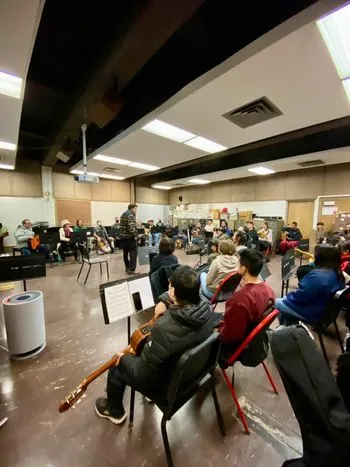
A bluegrass jam usually begins before anyone plays a note. Someone calls a song, names a key and makes sure the group has a shared starting point. It may be a familiar gospel number, a traditional tune, a country song that works on acoustic instruments or an original piece that the players already know. The goal is not to prove who knows the most difficult material. The goal is to give the group one map.
That shared map is why a jam can welcome musicians with different levels of experience. A guitarist who knows the chord movement can help keep the song steady. A bass player can make the beat easy to feel. A singer can lead a verse even if they do not take an instrumental break. A confident soloist can bring more detail, but the song needs every role to stay recognizable.
The Bluegrass Music Hall of Fame and Museum preserves the tradition in which acoustic instruments, vocal harmony and musician interplay belong together. In a jam, those qualities are not abstract ideas. They are practical decisions made every few seconds: who carries the lyric, who holds the rhythm and who has the floor for the next eight measures.
Listen for the rhythm section first
The easiest way to understand a bluegrass jam is to follow the foundation. The upright bass often marks the beat with clear, low notes. Acoustic guitar keeps the chords moving and gives the song a steady body. Mandolin can add a short offbeat chop that makes the pulse feel lighter and more focused. None of these jobs needs to be flashy. Their value is that they make everyone else sound more confident.
When an instrumental break begins, the rhythm section does not stop. It becomes even more important. The lead player needs enough space to be heard, but the song also needs a firm shape underneath. Good jam musicians often reduce their volume, simplify a pattern or choose fewer notes when someone else takes the lead. That restraint is part of the craft.
This is also why the music can feel so alive without a drum kit. The beat is shared. Bass, guitar and mandolin make time together, while banjo and fiddle can add motion around it. The band’s bluegrass instruments guide breaks down those individual jobs. At a jam, you hear how those jobs become a group agreement.
A break is a turn in the conversation
In bluegrass, an instrumental break is a short featured turn. The singer finishes a line or chorus, then a banjo, fiddle, mandolin, guitar or resonator guitar takes the melody. The soloist may add runs, bends or new rhythmic ideas, but they are still speaking through the song’s chord progression and pulse. The other musicians keep listening closely enough to leave the lane open.
The handoff is often simple. A singer may look toward the next musician. A player may nod in time. In an experienced circle, people can sense the order from the way the song is moving. The signal does not need to be dramatic because the group is already paying attention. When the break ends, the next player enters or the singer returns, and the song keeps traveling forward.
For a listener, this is the moment to notice how different instruments tell the same musical story. The fiddle may let a note ring. The banjo may fill the air with a rolling pattern. The mandolin may make the melody crisp and percussive. Guitar can turn a supporting role into a flatpicked lead line. Each player brings a voice, but the point is to hand the song back in good shape.
Harmony tells the room when to gather
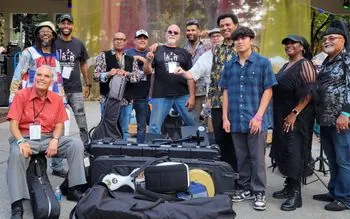
Bluegrass jams are not only about instrumentals. Vocal songs give the circle another way to work together. One person may carry the lead while others add a high or low harmony on a chorus. The texture changes immediately. A single melody becomes a shared statement, and the instruments can answer the voices before the next verse begins.
Close harmony is one reason bluegrass feels both intimate and communal. It asks singers to listen for blend, timing and the shape of a lyric instead of simply singing louder. Even a casual jam can become memorable when a chorus arrives cleanly and the group lands on the same phrase together.
That mix of lead voice, harmony and instrumental breaks is part of what distinguishes bluegrass from a general acoustic singalong. The bluegrass listening guide offers a fuller introduction to the sound. At a jam, you can hear those characteristics in real time, not as a list but as people choosing when to join, support and step forward.
Jam etiquette is really shared listening
New players sometimes hear “jam etiquette” and expect a long set of rules. The useful version is simpler: make the room better for the song and the people in it. Learn the key before starting. Keep a steady rhythm. Do not play over a singer or another person’s break. Watch for signals. Let a less experienced player have a turn when the moment is right.
That approach is practical, not precious. A jam works when musicians can trust one another. A player who knows many fast notes but cannot leave space makes the group feel crowded. A player who keeps time, watches the song and supports the next person can make everyone sound stronger. The same principle matters for listeners too. Quiet attention during a verse or solo gives the music room to do its work.
The International Bluegrass Music Association’s youth programs teach rhythm, harmony and soloing as connected skills because a bluegrass ensemble depends on all three. A jam turns that lesson into a social practice. The music becomes welcoming when technique serves the shared sound instead of becoming a contest.
Bluegrass jams and old-time sessions share roots, not the same structure
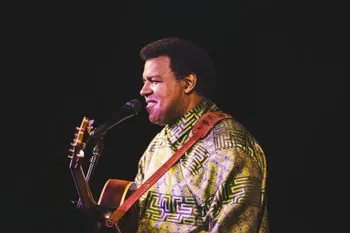
A bluegrass jam can look similar to an old-time session. You may see fiddle, banjo, guitar and bass in both settings. You may even hear the same older tune. The difference is often in how the group uses its space. Bluegrass arrangements commonly move between singing, harmony and separate instrumental breaks. Each musician may have a defined turn.
Old-time playing often keeps the group inside one continuous tune. The fiddle and banjo may stay closely braided together while the rest of the players reinforce the groove. The goal can be to support a dance, repeat a melody until it settles into the room or build a shared texture without stopping for spotlight solos.
Neither approach is more authentic. They simply ask for different kinds of attention. The band’s bluegrass and old-time guide explains the distinction in more detail. Knowing it helps a listener hear why a bluegrass jam can feel like a sequence of short conversations inside one song.
How to enjoy your first bluegrass jam
Start by finding the bass. Let those low notes show you where the beat lives. Then notice the guitar and mandolin shaping the rhythm around it. When a singer enters, listen for the instruments becoming less busy. When a break begins, choose one player to follow while the rest of the band keeps the song in motion.
Do not worry about naming every tune or technique. A jam rewards ordinary attention. You can hear the room grow more focused when a solo comes together, when a harmony chorus lifts or when the musicians recover smoothly from a missed cue. Those moments are not mistakes in a polished performance. They are the human evidence that people are making music together in the present tense.
For a deeper listening experience, spend time with the band’s recordings after reading this guide. Pascal Bokar AfroBlueGrazz brings bluegrass into conversation with jazz, blues, Afro-funk and West African musical traditions, always with an ear for rhythm, improvisation and ensemble listening. The concert and education programs make those connections tangible for audiences in schools, concert halls and community settings.
One song, many ways to belong
A bluegrass jam gives people several ways to participate. One person may lead the lyric. Another may hold the bass line. A third may wait for a single break, then return to the rhythm. Someone new may sit beside the circle and learn the form by listening. The music stays generous because no one has to carry it alone.
That is the pleasure of the format. A jam can make a familiar song feel newly alive, not because every player is trying to be different, but because every player is responding. Listen for the turns, the shared pulse and the care taken to make space. Once you hear that, a bluegrass jam stops sounding like a rush of instruments and starts sounding like a room learning how to move together.
Frequently asked questions
What is a bluegrass jam?
A bluegrass jam is a group of musicians sharing songs together, usually by agreeing on a key, a lead singer and an order for instrumental breaks. It can happen at a festival, a community gathering, a music store or someone’s home.
Do you need to be an expert to listen to a bluegrass jam?
No. A listener can enjoy a jam by noticing the handoffs between singers and instruments. The strongest moments are often easy to hear: a chorus lifts with harmony, one player takes the melody, then the whole group returns to the song together.
What instruments are common at a bluegrass jam?
Banjo, fiddle, mandolin, acoustic guitar and upright bass are common. Resonator guitar is also a familiar voice. The exact lineup changes, but the group needs players who can support the rhythm and make room for a lead voice.
How do musicians know when to take a solo?
Players usually agree on the song’s key and use eye contact, a nod or a simple gesture to pass the break from one person to the next. Listening matters as much as playing because the band must keep the song moving while one instrument steps forward.
Is a bluegrass jam the same as an old-time jam?
They can share instruments and traditional tunes, but their musical habits are often different. A bluegrass jam commonly makes space for vocal verses and individual breaks, while an old-time session often keeps the ensemble inside a continuous tune for dancing or shared groove.
Related posts

Related post
Bluegrass Instruments: A Listener’s Guide
The six essential bluegrass instruments, banjo, mandolin, fiddle, guitar, bass and resonator guitar, and how they work together.
Read the article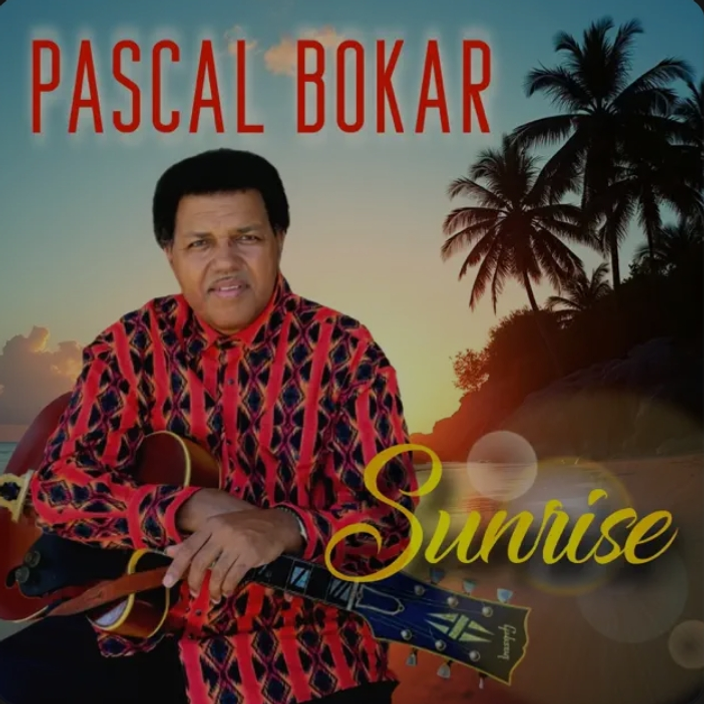
Related post
Bluegrass Music Characteristics: How to Hear the Sound
A listener’s guide to bluegrass drive, acoustic instruments, vocal harmony and improvisation.
Read the article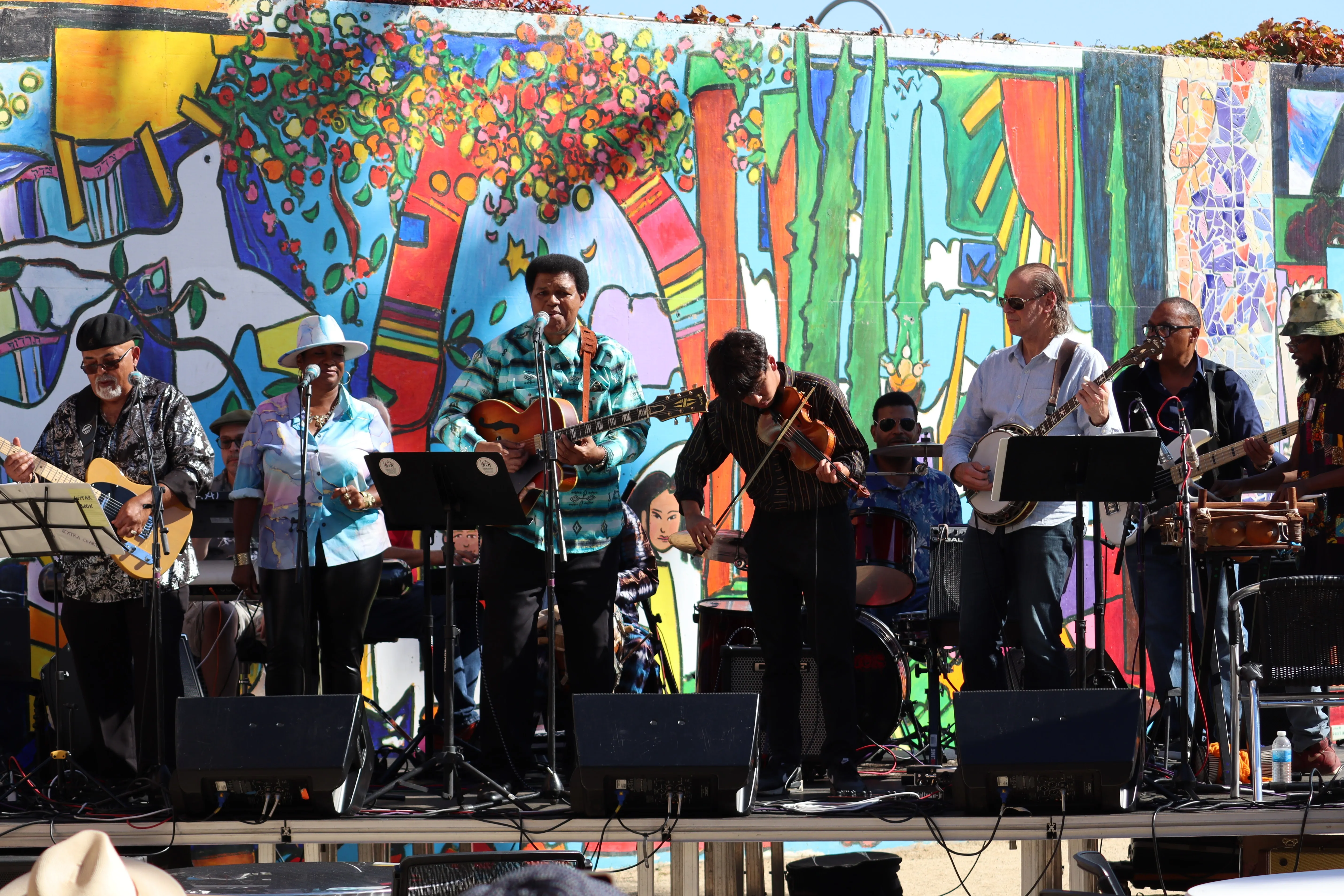
Related post
Bluegrass vs. Old-Time Music: What Is the Difference?
A listening guide to the shared tunes, instruments and different ensemble habits of bluegrass and old-time music.
Read the article