
Bluegrass and old-time music can use the same fiddle, banjo, guitar and bass, and they can even play the same old tune. The difference is in the conversation. Old-time music often keeps the whole group inside one steady, dance-ready current. Bluegrass builds a more arranged string-band sound, then gives players room to step forward and hand the song to one another.
The short answer
Old-time music is a broad family of older American string-band and community traditions, especially associated with Appalachian and Southern dance music. It is often built around a fiddle-led tune, a banjo that locks into the rhythm and an ensemble that keeps playing together long enough for dancers to settle into the pulse. The sound can be energetic, intricate and deeply communal, but the shared groove is usually more important than displaying one soloist at a time.
Bluegrass grew from some of the same musical ground, but it developed later as a distinct, named style. A bluegrass band typically uses fiddle, five-string banjo, mandolin, acoustic guitar and upright bass. It combines close vocal harmony, a strong forward drive and short instrumental breaks, where one player takes a turn while the rest of the group keeps the chords and rhythm clear.
So the simplest distinction is not speed, age or whether a banjo is present. It is the ensemble job. In old-time playing, the musicians often reinforce one tune together. In bluegrass, the musicians create a rhythmic frame that can open for a singer or a featured instrument, then snap back into the group sound.
They share a musical family tree
It makes sense that listeners mix the two styles up. Both grew in the larger world of Southern and Appalachian music, where ballads, fiddle tunes, dance music, gospel songs and local repertoire moved through homes, gatherings, radio shows and traveling musicians. The Library of Congress overview of Appalachian music describes a region shaped by many musical streams rather than one isolated tradition.
That history is not a straight line from one community to another. British and Irish ballads and fiddle repertory are part of the story. So are African and African American musical practices, which shaped rhythm, dance, instrument making and the American history of the banjo. Musicians learned across racial and regional boundaries, often without the history being credited fairly. The result was a varied musical world that could support a solo ballad, a fiddle-and-banjo dance tune, a gospel quartet or a full string band.
Old-time is a useful name for several of those earlier, community-rooted practices. It does not mean every player used the same technique or came from the same place. A mountain fiddle tune, a Black string-band piece, a ballad sung without instruments and a dance repertoire from another Southern community may all have different histories. The label is useful when it helps a listener notice the social setting of the music, not when it flattens those histories into one generic past.
Bluegrass emerged later from this wide field. The band’s guide to where bluegrass originated follows how Bill Monroe and the Blue Grass Boys turned familiar instruments and older materials into a sharply defined 1940s band sound. Bluegrass did not replace old-time music. It became another living branch, with its own arrangements, performance culture and sense of momentum.
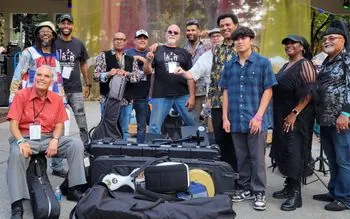
Old-time music keeps the tune at the center
Imagine a room full of dancers. The band does not need a dramatic ending after every chorus or a spotlight for every player. It needs a dependable pulse, a memorable melody and enough repetition for the dancers to enter the rhythm together. That practical function helps explain the feel of much old-time music. Players may repeat a tune for many cycles, make small changes as they go and keep the group locked into one shared texture.
The fiddle often carries the melody, while the banjo joins it with a rhythmic pattern that can be both percussive and melodic. Guitar, bass or other instruments support the beat without demanding attention. The arrangement may have great detail, but it does not have to divide the song into a fixed sequence of featured solos. The pleasure comes from the collective lift, the way each instrument strengthens the tune without breaking its spell.
That does not mean old-time players never improvise or never show personality. A fiddler can change a bowing pattern, a banjo player can shift the rhythm and a guitarist can alter the feel of a chord. The difference is that variation usually serves the continuous groove. A musician is adding color from inside the tune rather than stepping fully outside it for a separate break.
In a good old-time session, a listener can feel the social purpose even without seeing the dance floor. The repeated melody gives everyone a common map. Experienced players can add their own touch, while new players can follow the shape. The music is not simple because it is repetitive. It is generous because it creates enough shared ground for people to join in.
Dance changes what the band needs to do
The connection between old-time music and dancing is more than background history. It changes the decisions musicians make from one phrase to the next. A dance tune needs enough steadiness for bodies to trust the beat. If the tempo lurches, if the tune stops too often or if one solo becomes a long detour, the dancers lose the shared pattern that lets the room move together.
That is why old-time players often value a strong, unbroken rhythmic weave. The fiddle keeps the melody plain enough to recognize. The banjo gives the tune a pulse that can feel almost like a drum. Guitar and bass add weight and momentum. Each instrument can be lively, but the larger job is to make the groove feel dependable for several minutes at a time.
Bluegrass can be danced to, and old-time musicians can play for a seated audience. The distinction is not a rule about where people stand. It is about what the arrangement puts first. Bluegrass often creates contrast by moving between vocals, harmony and separate breaks. Old-time music often creates intensity by keeping a tune in motion until the repetition becomes its own kind of lift.
For a new listener, this is one of the clearest ways to hear the difference. Picture whether the music seems built to keep a whole room traveling through one repeating melody, or to let a series of musicians speak inside a song. Both can be communal. They simply offer the community a different place to put its attention.
Bluegrass makes room for the break
Bluegrass asks a different question: how can a compact acoustic band create lift, precision and individual voice at the same time? The answer is the break. A singer may finish a verse, then a banjo, fiddle, mandolin, guitar or dobro takes a short featured turn. The other musicians keep the chord movement and pulse going, so the lead player can shape the melody without losing the song underneath them.
That structure makes bluegrass feel more sectional than old-time music. A tune may move from an instrumental introduction to a vocal verse, then into a harmony chorus, a banjo break, another verse and a fiddle break. Each piece has a job. The band has to know when to leave space, when to push the rhythm and when to return to the vocal as one sound.
The classic bluegrass rhythm section is especially clear. Upright bass helps place the beat. Guitar supports the chord changes and often adds a crisp offbeat pulse. Mandolin can create a short, percussive chop between beats. The banjo’s rolling pattern keeps a bright surface in motion, while the fiddle or mandolin may echo the singer. Together, these parts create the forward pull listeners often call the drive.
That drive is not merely fast playing. A medium-tempo bluegrass song can still feel urgent when the players place their notes with confidence and leave space for one another. The band’s bluegrass listening guide breaks down these roles in more detail. Once you can hear the rhythm section holding the song open for a break, the difference between bluegrass and old-time becomes much easier to recognize.
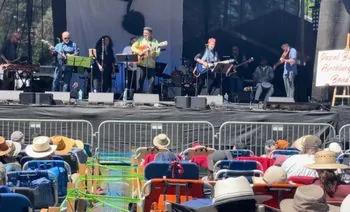
The banjo can sound different in each tradition
The banjo is one reason these styles sound related, and one reason they can be confused. In old-time music, clawhammer and other down-stroke approaches can make the banjo feel closely braided with the fiddle tune. The instrument supplies rhythm, melody fragments and a warm, percussive edge, often without separating itself from the group texture.
In bluegrass, the familiar three-finger style associated with Earl Scruggs can make the banjo a more distinct lead-and-rhythm voice. Its rolls keep moving through the chords, and they can also support a full featured break. The same instrument has changed roles because the ensemble around it has changed. The banjo is not a genre label by itself.
Its deeper history is wider still. The band’s African banjo history traces the instrument through West African and African American musical traditions before it became associated with either old-time or bluegrass. That history helps keep the comparison honest. A banjo can carry memories of many communities, but what it does in a particular performance depends on the player, the tune and the group around it.
Listen for the relationship between banjo and fiddle. If they seem to be making one ongoing tune together, you may be hearing an old-time approach. If the banjo rolls beneath a singer, then jumps into a clear solo space before handing the melody to another player, you are likely closer to bluegrass. There are exceptions in every tradition, but this one clue is more useful than guessing from tempo alone.
Song choice overlaps, arrangement changes the result
A traditional song can move between old-time and bluegrass without losing its identity. The lyric, melody or story may have traveled for generations before a present-day band takes it up. What changes is the arrangement. An old-time group might play a fiddle tune in a repeating cycle, keeping it steady for dancers. A bluegrass band might add verses, harmony, a spoken count-in and a string of instrumental breaks.
This is why it is risky to sort music only by song title. A ballad can be sung as an unaccompanied folk song, played as an old-time dance tune or arranged as bluegrass. The material travels, while the performance tells listeners what is happening now. A bluegrass arrangement makes the handoffs between players part of the experience. An old-time arrangement can make the continuity of the tune the point.
That shared repertoire is also a reminder that traditions stay alive through use. Players borrow a melody, remember a verse imperfectly, learn a tune from a recording or bring a family song into a jam session. Respect does not require freezing a song in one version. It requires knowing that a familiar tune may carry histories and communities beyond the version in front of you.
The Library of Congress American Folklife Center guide to bluegrass brings together recordings, festivals and oral histories that show how bluegrass has grown through this kind of exchange. Old-time communities have their own listening, dance and jam traditions too. Both styles work because they give musicians a practical way to meet, share a tune and make something social happen in real time.
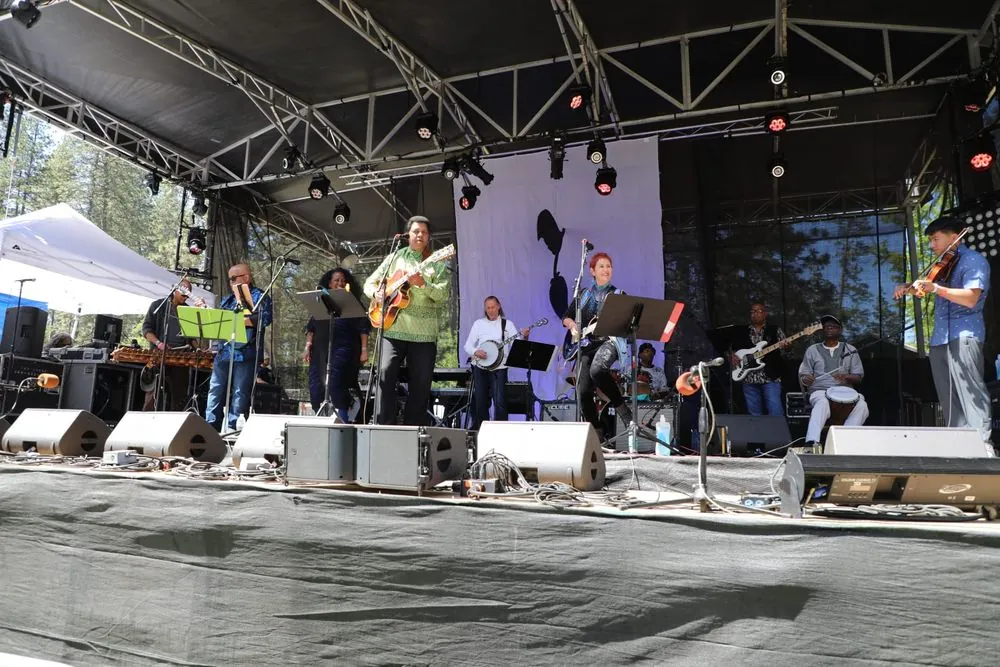
What a jam session reveals
A jam session can make the distinction visible even before anyone explains it. In an old-time circle, players may sit close together and choose a tune everyone knows. Once the tune begins, the focus is on staying inside it. The fiddle leads the melody, banjos and rhythm instruments build the pulse, and the group may repeat the tune until every player has settled into the same current.
In a bluegrass jam, the group is more likely to agree on a song, key and order of breaks. One person may sing the verse, then point to the next player for a solo. A fiddler, banjo player, guitarist or mandolin player takes a concise turn, and everyone else listens hard enough to keep the rhythm firm without crowding the lead. The common map is still important, but it has marked places for individual voices.
Neither setting is more serious or more authentic. They ask for different kinds of attention. Old-time playing rewards the ability to blend, repeat and make a tune feel good for everyone in the room. Bluegrass rewards those same skills, plus the ability to take a clear break and return the song to the group without breaking its momentum. Watching or hearing a jam is often more revealing than reading a list of instruments.
How to tell the difference in one listening session
Start by ignoring the genre label and listen for the tune’s shape. Does the music stay inside one repeating melody, with several instruments reinforcing it at once? That points toward old-time. Does the arrangement move clearly between singing, harmony and short featured instrumental turns? That points toward bluegrass.
Then follow the rhythm. In old-time music, the pulse often feels circular and continuous, designed to keep a dancer or a room inside the tune. In bluegrass, the pulse often feels more directional. The bass, guitar, mandolin and banjo create a runway for a singer or soloist, then the whole group lands together at the next phrase.
Next, notice whether the lead instrument leaves the texture. A fiddle can be prominent in both styles. In old-time, it may lead while the banjo remains tightly connected, with the rest of the ensemble filling the tune around it. In bluegrass, the fiddle may take a break that is clearly set apart from the vocal, followed by a banjo or mandolin break that uses the same chord progression in a new way.
Finally, keep room for overlap. Some old-time groups add instruments or arrangements that sound close to bluegrass. Some bluegrass bands choose a tune-centered instrumental feel. A style is not a courtroom test. The goal is to hear what the group is valuing: continuous shared motion, or a sequence of individual voices held inside a driving band framework.
Try a two-listen exercise
Choose a traditional tune played by a small string band. On the first listen, follow only the melody. Notice how often it returns and whether it feels built to repeat. Do the musicians appear to be feeding one another the same melodic shape, or is one player being given a separate turn? Let the answer come from the sound before looking for a label.
On the second listen, follow the spaces between phrases. In bluegrass, those spaces often reveal the arrangement: a mandolin chop, a guitar rhythm pattern, the bass landing on the beat and a banjo roll filling the air before the next voice enters. In old-time, the same spaces may be much less exposed because the tune keeps moving through the entire group.
Use that exercise again with a vocal song. If the band comes together on a harmony chorus and then opens a clear lane for each instrumental break, you are hearing a central bluegrass habit. If the performance makes the lyric or tune feel like a shared, ongoing current, it may be closer to old-time or another folk tradition. Neither answer is a value judgment. They are different ways of making a song belong to a room.
Hear the wider conversation in Pascal Bokar AfroBlueGrazz
Pascal Bokar AfroBlueGrazz approaches American roots music through connection rather than a narrow genre label. Pascal’s musical life and background bring Mali and Senegal into conversation with blues, jazz, bluegrass and Afro-funk. That lived perspective makes the history around a banjo, a rhythm or a traditional tune more than a footnote.
On the band’s recordings, listeners can hear how rhythm and melody carry both individual expression and group listening. The concert and education programs take that conversation into performance spaces, schools and community settings, where audiences can hear how history lives inside the music instead of treating it as a fixed museum category.
Bluegrass and old-time music are close relatives with different centers of gravity. Listen for the tune, the pulse and the way the musicians share the room. The labels become more useful once the music is already speaking for itself.
Frequently asked questions
Is old-time music the same as bluegrass?
No. Old-time music and bluegrass share instruments, tunes and regional history, but they organize a band differently. Old-time players commonly keep the tune moving together for dancing, while bluegrass gives individual players more defined instrumental breaks and a sharper rhythm-section role.
Which came first, old-time or bluegrass?
Old-time music came first. It is a broad name for older rural and community-based Southern string-band traditions. Bluegrass developed later, especially in the 1940s, when Bill Monroe and the Blue Grass Boys shaped a distinct acoustic band sound from related musical materials.
Do old-time musicians use banjos?
Yes. The banjo is central to many old-time traditions, often played in ways that blend closely with a fiddle tune. Bluegrass banjo is also central, but its rolling three-finger patterns more often create a separate lead-and-rhythm voice with room for featured breaks.
Can the same tune be old-time and bluegrass?
The same traditional tune can be played in either style. The melody may remain familiar, but the arrangement changes: an old-time group may keep everyone inside a continuous shared groove, while a bluegrass band may add vocal verses, harmony and a series of individual breaks.
Is old-time music folk music?
Old-time music is commonly discussed within the wider world of American folk and roots music. It is still useful to name it specifically, because its dance-focused ensemble style and repertoire are different from a solo folk singer, a contemporary folk band or a bluegrass group.
Related posts
Related post
Where Did Bluegrass Originate? Kentucky in the 1940s
Bluegrass originated in Kentucky and the wider South in the 1940s. Learn how Bill Monroe and the Blue Grass Boys shaped the sound and its name.
Read the article
Related post
What Is Bluegrass Music? A Listener’s Guide
A clear guide to the instruments, drive, harmony and improvisation that give bluegrass its sound.
Read the article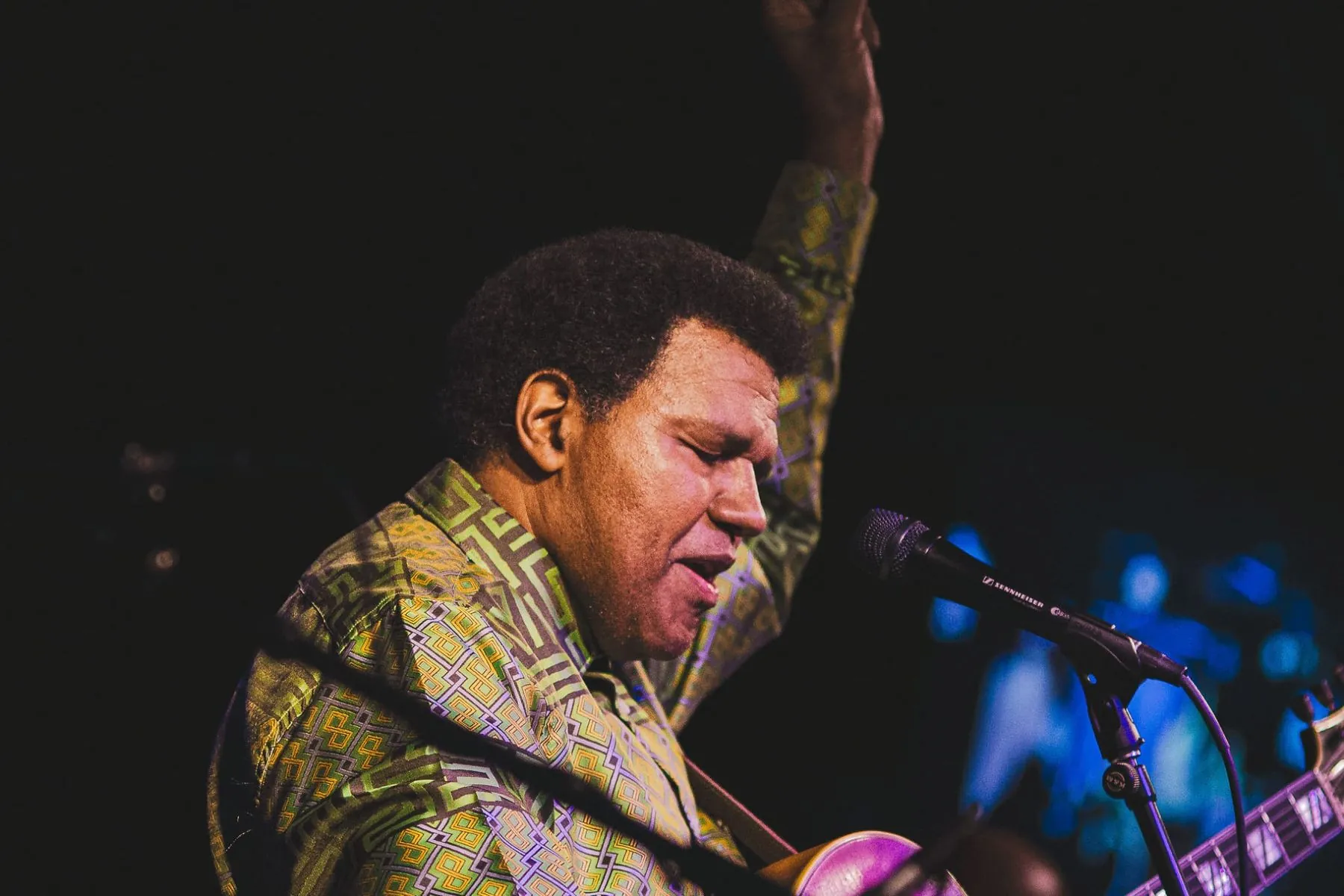
Related post
Bluegrass vs. Folk Music: What Is the Difference?
Bluegrass vs. folk music: five listening differences in instruments, rhythm, vocals, solo breaks and song traditions.
Read the article