
Bluegrass rhythm is not just speed. It is the feeling of a band pulling in the same direction: bass and guitar set the ground, mandolin sharpens the offbeat, and banjo or fiddle can step forward without breaking the pulse. Once you know where to listen, that bright forward motion becomes easy to hear.
The short answer: a shared forward pulse
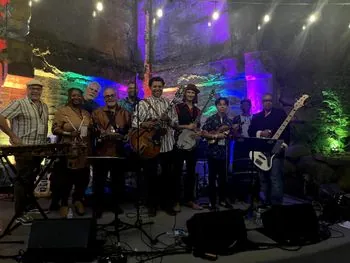
Bluegrass rhythm is the acoustic pulse a string band creates together. A typical group uses upright bass, guitar, mandolin, five-string banjo and fiddle, with each instrument taking a different job. The bass makes the beat feel grounded. Guitar fills the harmony and reinforces the low pulse. Mandolin adds a crisp offbeat. Banjo and fiddle can weave melody, rhythm and short answers around the song.
The result is often called drive. The Library of Congress describes bluegrass timing as moving slightly ahead of the main beat, which helps explain why a small acoustic band can feel so energized. Drive is not a rule that every player must push mechanically. It is a collective agreement about motion, timing and attention.
Find the bass before anything else
If a bluegrass performance feels busy at first, begin with the upright bass. It usually marks the main beats with clear low notes, often a root note followed by a fifth. You do not need to know the chord names to follow it. Tap one foot with the bass and let those notes tell you where the floor of the song is.
That simple foundation gives everyone else freedom. Guitar can add a stronger strum, mandolin can strike the offbeat, and a soloist can take a break without losing the form. A bluegrass band sounds quick because the rhythm section makes its map easy to follow. Even when the melody takes a surprising turn, the pulse remains available.
For a closer introduction to the voices in that conversation, the band’s bluegrass instruments guide walks through the classic lineup. Hearing each role separately makes the full band much less mysterious.
Guitar keeps the song moving
In bluegrass, rhythm guitar is rarely only background. Its firm, mostly acoustic strum gives the song body and supports the bass without crowding it. A good guitarist has to be both steady and alert: the pattern needs to stay dependable, but the player also has to leave enough space for singing, a fiddle phrase or a banjo roll to register clearly.
Listen for what the guitar does between featured moments. When a singer takes a line, the guitar may make the harmony feel fuller without becoming a second lead voice. When an instrumental break begins, it holds the chord movement so the soloist can move freely. That restraint is one reason bluegrass can feel powerful without becoming dense.
The mandolin chop gives the beat its edge
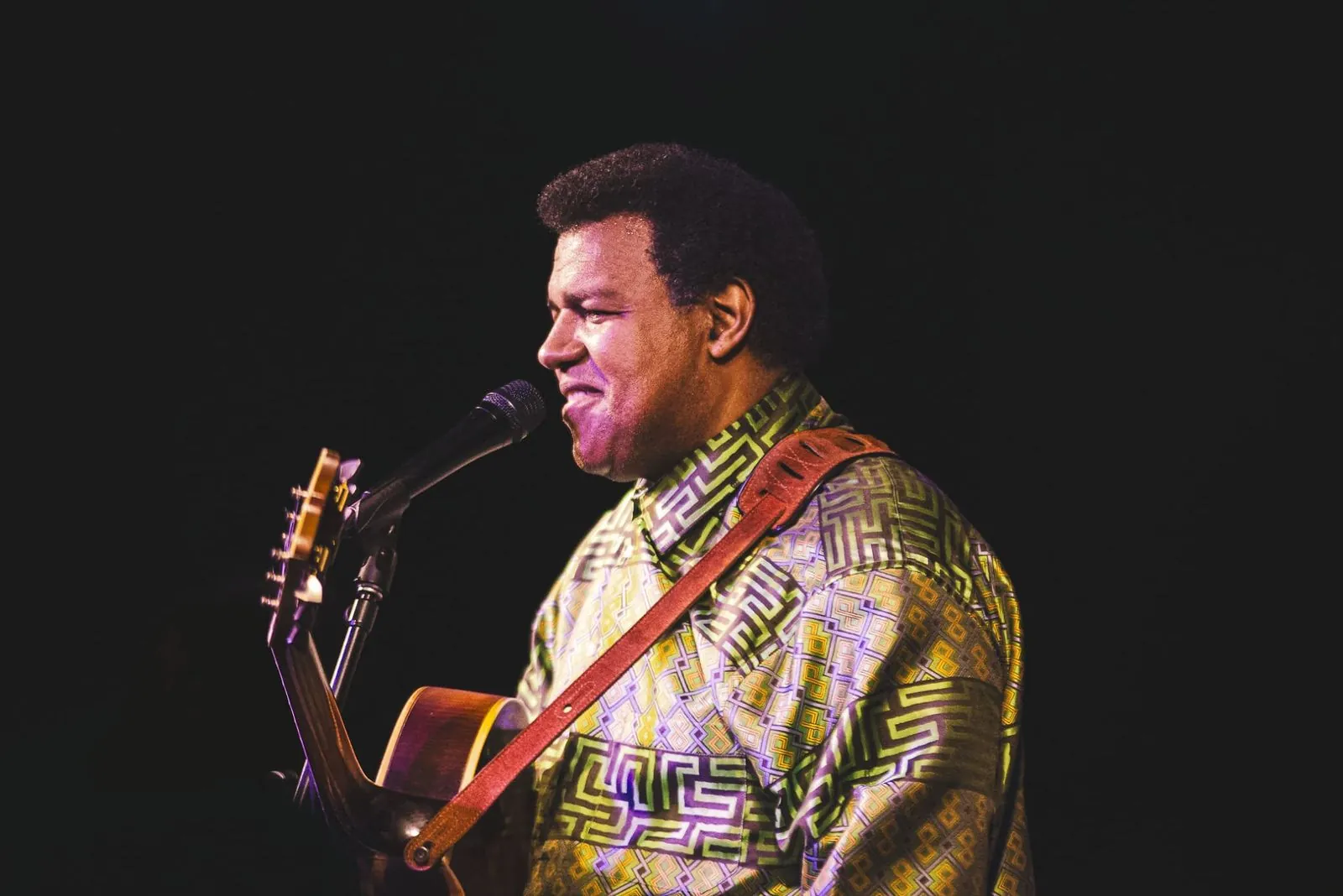
The mandolin is often heard as a bright, quick melodic instrument, but it is also one of the clearest rhythmic voices in a bluegrass band. When a player mutes a chord quickly after striking it, the sound becomes short and percussive. That offbeat accent is commonly called the chop.
Try counting “one and two and three and four and” along with a song. The bass helps you hear the numbered beats. The mandolin chop often lands on the “and” between them. Smithsonian Folkways uses this same body-percussion idea to help listeners hear how the mandolin’s upbeat works against the bass line. The combination is not merely decorative. It makes the rhythm feel light on its feet and gives the band room to breathe.
That space matters. A long, ringing chord can blur the edge of the rhythm. A well-placed chop does the opposite: it makes the next bass note, vocal phrase or instrumental answer feel more distinct.
Banjo and fiddle add motion without losing the center
Banjo rolls and fiddle lines can make bluegrass sound fast even at a moderate tempo. The banjo’s repeated picking pattern supplies a flowing texture that suggests continuous motion. The fiddle can sustain a note, answer a singer or cut through the ensemble with a melodic break. Both instruments are lively, but neither needs to pull the band away from the shared pulse.
This is where a close listener starts to hear the difference between activity and drive. More notes do not automatically make more energy. A strong break still follows the song’s chords and leaves the rhythm section audible beneath it. The player sounds free because the band has created a firm place to land.
The banjo also brings a much larger history into the sound. Its American development is inseparable from African and African American musical knowledge. The band’s African banjo guide offers a fuller introduction to that journey, which gives every bluegrass roll more historical depth.
Drive is not the same thing as playing fast
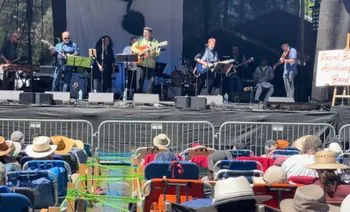
Fast bluegrass can be thrilling, but speed alone is not drive. A song at a relaxed tempo can still feel urgent if the players place their notes with focus and listen closely to one another. Conversely, a fast tune can feel flat if the rhythm section is uncertain or the soloists do not reconnect with the group.
Think of drive as a current rather than a race. The current comes from a reliable beat, clear accents and a shared sense of where each phrase is headed. When a band has it, listeners may find themselves tapping, leaning forward or anticipating the next break before they can explain what changed.
This is one reason bluegrass is so satisfying in a live room. You can hear musicians make tiny adjustments in real time: a guitarist opens the strum slightly, a bassist makes the beat more direct, or a mandolin player sharpens the chop. The music gains energy because the players respond to one another.
Listen for the handoff between breaks
Bluegrass rhythm becomes especially clear when a band passes a break from one instrument to another. The banjo may take a turn, then hand the melody to fiddle, mandolin or guitar. The featured player changes, but the bass, rhythm guitar and offbeat support keep the song moving. Smithsonian Folkways notes that bluegrass melody instruments take turns leading while the rest of the group returns to backing.
At a jam, those handoffs can be remarkably social. A player signals the next person with a look, a nod or the end of a phrase. Nobody has to fill every silence. The rhythm does the work of holding the door open. If you want to hear that format in more detail, read the band’s guide to bluegrass jams.
Bluegrass rhythm in the wider roots conversation
Bluegrass emerged as a distinct string-band sound in the 1940s, but it did not arrive from one isolated source. The style brought together older Southern string-band traditions, gospel, country, jazz and blues. Smithsonian Folkways notes the contrast with old-time music: bluegrass creates separate leading turns while old-time musicians often play the melody together.
That contrast is useful, not absolute. Both styles depend on careful ensemble listening, and both carry histories that reach beyond a single region or community. The band’s bluegrass versus old-time guide helps listeners compare the group feeling in each style. For the larger story behind the sound, start with what bluegrass music is.
Pascal Bokar AfroBlueGrazz brings that roots conversation into the present. Pascal’s musical background connects Mali and Senegal with jazz, blues, bluegrass and Afro-funk. The band’s recordings give listeners a place to hear rhythm, response and improvisation moving across those traditions, while the concert and education programs make the stories behind the sound tangible for audiences.
A simple way to hear it on your next song
Start by following the bass for eight beats. Next, notice whether you can hear the guitar filling the harmony and the mandolin marking a shorter offbeat. Then choose one lead instrument, such as banjo or fiddle, and listen for how it moves over the same foundation. When the break ends, see whether the rest of the band has kept the energy alive without changing the pulse.
You do not need technical vocabulary to enjoy bluegrass rhythm. Let the low notes show you the beat, let the chop give it shape, and let the breaks reveal how much trust the music requires. Once you hear that shared forward motion, a bluegrass band stops sounding like a fast collection of instruments and starts sounding like one conversation with many voices.
Frequently asked questions
What is bluegrass rhythm?
Bluegrass rhythm is the shared acoustic pulse created when bass, guitar and mandolin hold the beat while banjo, fiddle and other lead instruments add melody, fills and breaks. Its forward lift is often called bluegrass drive.
What is bluegrass drive?
Bluegrass drive is the energized feeling of a band moving together just ahead of the beat. It comes from precise ensemble timing, not simply playing as fast as possible.
What does the mandolin chop do in bluegrass?
The mandolin chop is a short, percussive chord often placed on the offbeat. Against bass notes and rhythm guitar, it helps make the pulse clear and leaves room for the melody instruments.
Is bluegrass rhythm always fast?
No. A slower bluegrass song can still have strong drive when the players keep a focused pulse, clear accents and responsive ensemble timing. Speed is only one part of the feeling.
Related posts

Related post
Bluegrass Instruments: A Listener’s Guide
The six essential bluegrass instruments, banjo, mandolin, fiddle, guitar, bass and resonator guitar, and how they work together.
Read the articleRelated post
What Is a Bluegrass Jam? A Listener’s Guide
How a bluegrass jam moves through songs, breaks, rhythm and shared listening.
Read the article
Related post
Bluegrass vs. Old-Time Music: What Is the Difference?
A listening guide to the shared tunes, instruments and different ensemble habits of bluegrass and old-time music.
Read the article