
Bluegrass can feel as forceful as a full rhythm section, yet a classic band often has no drum kit at all. The pulse comes from a careful conversation: bass gives the music weight, guitar holds the harmony, mandolin puts a bright snap between the beats, and banjo and fiddle keep the surface moving. Learn those jobs, and the rhythm becomes easy to hear.
The short answer: the string band is the percussion section
When people search for bluegrass percussion instruments, they are usually asking a sensible question: where does that strong pulse come from? In traditional bluegrass, the answer is mostly acoustic strings rather than drums. Smithsonian Folkways identifies the classic lineup as five-string banjo, flat-top guitar, fiddle, mandolin and bass, with guitar and bass carrying the downbeat and providing the rhythmic foundation.
That is why bluegrass percussion is best understood as a job, not simply a family of instruments. Each player makes a different kind of attack, sustain and accent. Bass notes land low and clear. A guitar chord rings long enough to tell you where the harmony is. A mandolin chop is short and dry. Banjo rolls fill the space with quick notes, while a fiddle can add a rhythmic bow stroke or leave air for the rest of the band.
The result is not a substitute for drums. It is its own arrangement system. Instead of one player carrying every beat, the band shares timekeeping. That shared responsibility is a big part of the focused forward motion listeners call bluegrass drive. The band’s bluegrass rhythm guide explores that drive in more detail. Here, the useful first step is to hear which instruments make the rhythm feel physical.
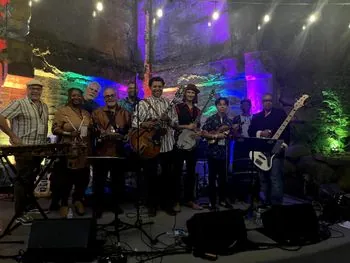
Start with the upright bass
The upright bass is often the easiest place to begin. In a typical bluegrass song, it marks the main beats with a steady low pulse. The notes are not usually flashy, and that is precisely the point. They give the ensemble a floor. When guitar, mandolin and banjo become active, listeners can still feel where the song is because the bass keeps returning to that dependable center.
Try this on your next listening session: ignore every fast instrument for a few seconds and follow only the lowest note. Tap your foot when it sounds. You will often hear a simple one-two or four-beat pattern that makes the rest of the arrangement easier to place. The bass also announces chord changes, so it helps the musicians know when a verse, chorus or instrumental break is about to turn.
In a strong band, the bass does not have to be loud to be felt. A clean, well-timed note can organize a room. That is one reason bluegrass rewards close listening. A player who seems to be doing the least may be the one making everyone else sound more confident. The bluegrass instruments guide gives a fuller introduction to the bass and the other classic voices in the lineup.
Rhythm guitar fills the center
If the bass is the floor, rhythm guitar is much of the room around it. Bluegrass guitarists use firm, controlled strums to state the chord movement and reinforce the beat. The sound needs enough body to support the singer, but enough restraint to leave a path for the fiddle, mandolin or banjo. That balance is harder than it sounds. A guitarist who plays too much can blur the whole group. One who plays with clear time and a light touch can make the band feel larger than it is.
Listen for the guitar at the beginning of a vocal line. It often gives the singer a stable harmonic bed, then gets quieter when the lyric needs room. During a solo break, it keeps the chord progression audible so the featured player can take risks without losing the shape of the song. That is rhythmic leadership without demanding the spotlight.
Bluegrass guitar is also a reminder that percussion is not only about striking something. A chord has an attack, a decay and a place in the bar. The player decides how long it should ring and how much space should follow. Those small choices create a pulse that feels flexible rather than mechanical.
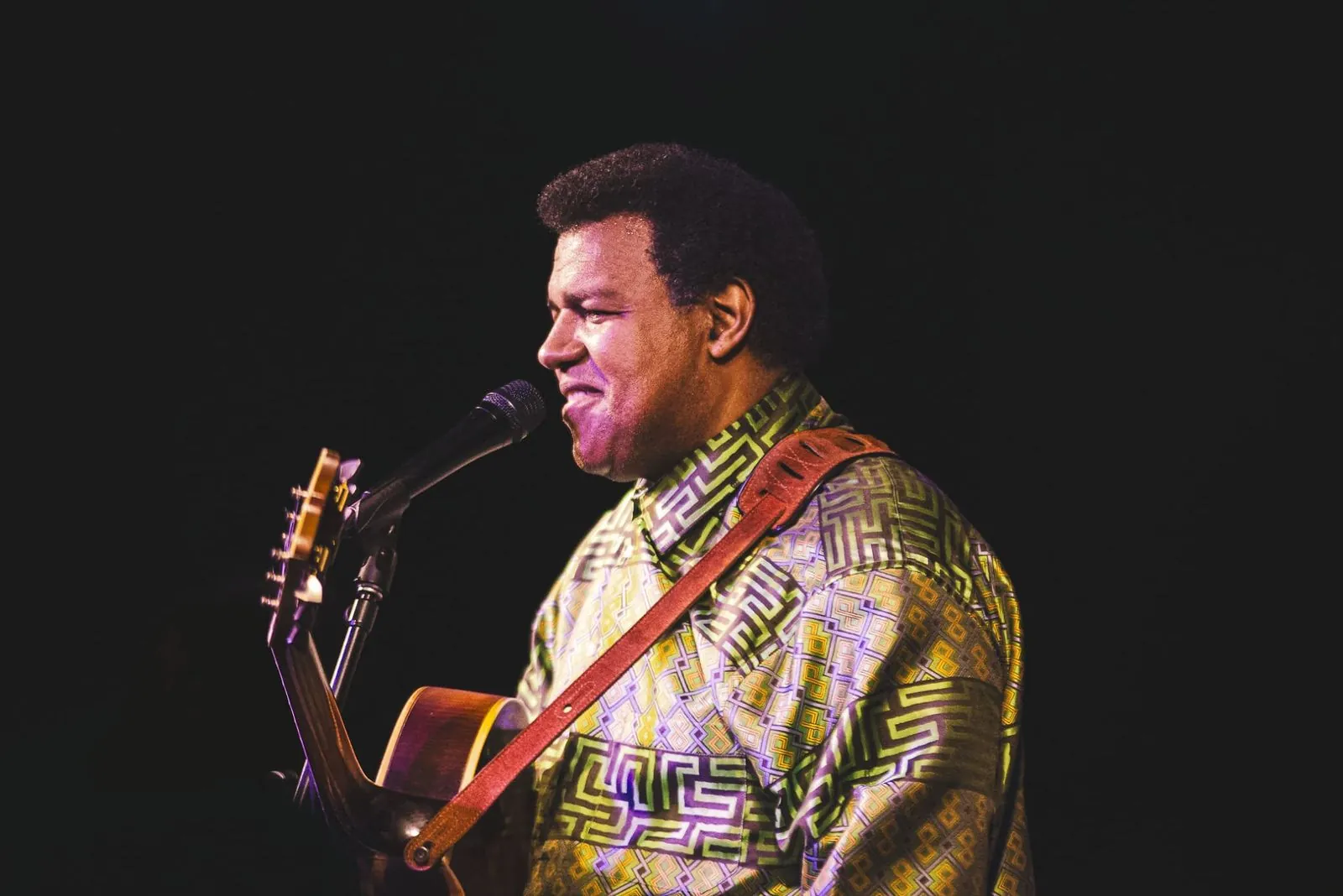
The mandolin chop is the sharpest accent
The mandolin is perhaps the clearest answer to the bluegrass percussion question. By striking a chord and stopping it quickly, a player creates a short, dry sound called a chop. It often lands between the main beats, giving the music a bright edge without the wash of a cymbal or snare drum. The chop is small, but it is easy to feel once you know it is there.
Count slowly: “one and two and three and four and.” The bass often makes the numbered beats easiest to hear. The mandolin frequently answers on the “and.” This creates a light push-and-pull, with the bass grounding the song and the chop giving it lift. The relationship is one reason a bluegrass band can sound both rooted and airborne.
Smithsonian Folkways describes bluegrass as an acoustic music where guitar and bass establish the rhythmic foundation. The mandolin adds definition to that foundation by making the spaces between beats audible. A ringing chord can fill a room, but a short chop tells the ear exactly where the band is. In a jam, that clarity helps everyone enter and leave a break cleanly.
The chop is not a rigid command. Players may soften it under a vocal, open it for a chorus or leave it out entirely when the arrangement needs more space. The skill lies in serving the song. A good bluegrass rhythm section sounds active because the musicians are listening to one another, not because every instrument plays on every beat.
Banjo and fiddle create rhythmic motion
Banjo and fiddle are often described as melody instruments, and they certainly take memorable breaks. But both contribute to the pulse. A banjo roll gives the ear a continuous stream of picked notes, creating forward motion even when the bass and guitar remain simple. The fiddle can use short bow strokes, rhythmic double stops or a well-placed answer to energize a phrase without taking over the groove.
This is where bluegrass rhythm becomes more than a set of parts. The banjo does not need to act like a drum. Its rolling patterns can suggest motion, answer a singer and outline the harmony at the same time. The fiddle can hold a long note over the beat, then cut into a quick figure that changes the energy of the next line. Together, they make the rhythm feel alive on the surface while bass, guitar and mandolin keep its shape underneath.
The banjo also carries a much wider American roots history. The band’s guide to the African roots of the banjo follows its connection to West African string traditions and African American invention. That history matters because it keeps listeners from treating bluegrass as a sealed style. Its pulse, instruments and social ways of playing were formed through many communities and ongoing musical exchange.
Why a drum kit is not standard in classic bluegrass
A drum kit can make a strong beat obvious, but classic bluegrass developed its own acoustic balance without one. The standard instruments have enough contrast to divide the work clearly: low bass, chordal guitar, short mandolin chop, bright banjo roll, singing fiddle and vocal harmony. Adding drums can change that balance by covering the small attacks that give each string instrument its role.
That does not make percussion forbidden. Music changes because musicians listen across traditions, choose new colors and build arrangements for real rooms and audiences. Progressive bluegrass, roots music and crossover projects may use hand percussion, a light kit or other rhythmic colors. The question is whether the addition supports the acoustic conversation or asks the string band to compete with it.
For a listener, the distinction is simple. In a classic setting, try to hear the percussion already present in the strings. If you can feel the bass, guitar and mandolin working together, the band does not need another instrument to explain the beat. If a modern arrangement adds percussion, listen for whether it leaves those roles audible. The best choices make the song clearer, not merely louder.
From a bluegrass jam to a full ensemble
At a bluegrass jam, the shared rhythm has a social purpose. Players need a dependable pulse so one person can take a break and another can enter without a conductor. The bass and guitar keep the song moving. The mandolin can sharpen the offbeat. Banjo and fiddle players learn when to play a little less, so the featured instrument has room to speak. The rhythm holds the door open for the next player.
That shared attention is one of the pleasures of the style. A group can pass a melody from banjo to fiddle to guitar while the listener never loses the song. Smithsonian Folkways notes that bluegrass instruments take turns carrying the melody while the other players return to backing. That is a useful contrast with old-time music, where the ensemble often stays more closely tied to the melody together. The band’s bluegrass versus old-time guide helps make that difference audible.
If you are new to the social side of the music, the bluegrass jam guide explains how songs, breaks and listening work in the room. You do not need to play an instrument to enjoy it. Just notice how a group gives every musician space while preserving one shared beat.
Hearing percussion across the band’s sound
Pascal Bokar AfroBlueGrazz approaches roots music through a broad, lived musical conversation. Pascal’s background connects Mali and Senegal with blues, jazz, bluegrass and Afro-funk. That perspective makes rhythm more than a count of beats. It becomes a way musicians respond, leave space, build a phrase and invite an audience into the performance.
The band’s recordings offer a place to listen for that ensemble conversation across styles. A bluegrass pulse can sit beside blues feeling, jazz improvisation or West African rhythmic knowledge without pretending that those traditions are interchangeable. The value is in hearing each voice clearly, then noticing what happens when musicians bring their own histories and discipline to the same room.
For presenters, educators and audiences who want that story alongside the music, the band’s concert and education programs connect performance with the histories behind the sound. It is a practical way to turn a question about instruments into a richer experience of listening.
A listening exercise for your next song
Start by finding the bass for eight beats. Next, listen for the guitar’s chord movement. Then notice whether a mandolin chop is landing between the bass notes. Finally, choose either the banjo or fiddle and hear how it adds motion without knocking the rhythm section off course. Repeat the exercise when the solo changes hands.
The goal is not to identify every technique. It is to feel how a bluegrass band creates energy with acoustic instruments that make room for one another. Once you can hear the bass as the floor, the guitar as the frame and the mandolin as the snap, the music becomes more vivid. What once sounded like a fast cluster of strings becomes a precise conversation, full of pulse, space and trust.
Frequently asked questions
Does traditional bluegrass use drums?
A classic bluegrass lineup usually does not use a drum kit. Its pulse comes from acoustic string instruments: bass marks the beat, guitar supports the chords, mandolin creates a short offbeat accent, and banjo and fiddle add rhythmic motion.
What are the percussion instruments in bluegrass?
The most important rhythmic instruments in a classic bluegrass band are not drums. Upright bass, rhythm guitar and mandolin supply the core pulse, while banjo rolls and fiddle bowing add motion. Light hand percussion may appear in crossover or progressive arrangements, but it is not part of the standard lineup.
Why does bluegrass sound rhythmic without drums?
Bluegrass players divide the work of keeping time. Bass gives listeners a dependable low beat, guitar reinforces the chord rhythm, and mandolin turns the offbeat into a crisp accent. Because each job is clear, the band can create drive without a drum kit.
Can percussion work in a bluegrass band?
It can, especially in roots, folk or crossover arrangements, when it supports the song without covering the acoustic conversation. A light touch leaves room for the bass, guitar, mandolin, banjo and fiddle to keep their distinct roles.
Related posts

Related post
What Is Bluegrass Rhythm? Hear the Drive
Learn how bass, guitar, mandolin, banjo and fiddle create bluegrass drive, and how to hear the pulse in a live string band.
Read the article
Related post
Bluegrass Instruments: A Listener’s Guide
The six essential bluegrass instruments, banjo, mandolin, fiddle, guitar, bass and resonator guitar, and how they work together.
Read the articleRelated post
What Is a Bluegrass Jam? A Listener’s Guide
How a bluegrass jam moves through songs, breaks, rhythm and shared listening.
Read the article