
Old-time music is a living, dance-minded string-band tradition. Listen for fiddle and banjo moving as one rhythmic engine, a tune that keeps circling with purpose and a group sound that values the shared groove as much as any one player’s spotlight.
The short answer: music made for people to move together
Old-time music is an umbrella term for several American traditional music styles, especially fiddle-and-banjo music shaped in communities across the South and Appalachia. It can be played by one person or a small string band, but its clearest purpose is often social: carrying a dance, accompanying a gathering or keeping a familiar tune alive between people. The American Musicological Society’s introduction describes old-time as fiddle-and-banjo music from before the 1940s, played solo or by string bands and strongly connected with dance rhythm.
That definition needs room around it. Old-time is not one fixed playlist, one place or one ancestry. It includes ballads, songs, fiddle tunes, regional bowing styles and family repertories that changed as they moved. The useful thread for a first-time listener is not a label on a shelf. It is the sound of musicians holding a tune together long enough for dancers and listeners to enter its pulse.
Start with the fiddle and banjo
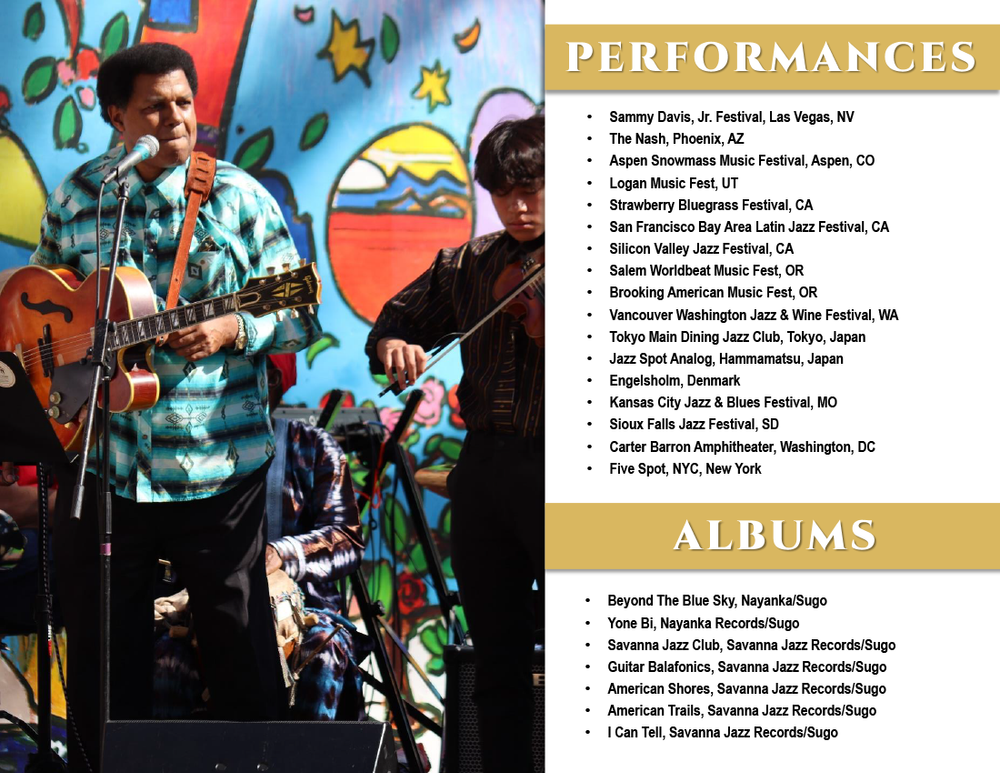
In many old-time settings, the fiddle carries a tune with a direct, repeating melody. The five-string banjo does not simply decorate that melody. It gives the tune a rhythmic surface, often with a percussive clawhammer motion that makes the beat feel close to the ground. Guitar and bass may support the harmony, while a mandolin, dulcimer or second fiddle can add another layer. The exact lineup changes, but fiddle and banjo are a dependable place to begin listening.
Try this simple exercise: follow the fiddle for one pass through the tune. On the next pass, ignore the melody and listen for the banjo’s repeated motion. Then hear both at once. Instead of one instrument stepping aside for another, they can feel braided together. That is why old-time music often sounds full even when a small group is playing only a few instruments.
The banjo’s history makes this sound richer, not less immediate. African-descended musicians in the Americas remade and developed banjo traditions from West African precedents long before the instrument became closely associated with Appalachian string bands. The band’s guide to the African roots of the banjo follows that larger story. It matters because old-time music is not an isolated mountain artifact. It carries many histories of movement, exchange, survival and invention.
A dance pulse, not a race to the finish
Old-time can be energetic, but it does not need to rush. The goal is often a steady current that lets dancers trust the beat. Repetition is not a lack of ideas. It is what gives a tune enough weight to invite feet, bodies and memory into the room. A square dance, reel or community gathering needs music that stays dependable while still feeling alive.
That is why the tune may repeat many times. Each round lets the fiddler add a small bowing variation, the banjo shift its texture or the guitar settle deeper into the rhythm. The group does not have to announce every change. It is listening to one another, making small adjustments and keeping the center intact. The Smithsonian Folkways overview of Virginia music describes old-time as a country string-band sound formed through blended traditions, a useful reminder that the groove was made through people playing together, not by one culture in isolation.
Where old-time music comes from
Old-time music has deep roots in the music of the American South and Appalachia, but it was never a pure or sealed tradition. European fiddle repertories and dance forms met African and African American musical knowledge, including banjo-making, rhythm, melodic variation and performance practice. Indigenous people, immigrants and traveling performers also shaped the local musical worlds where tunes were learned and remade.
A careful history avoids turning that into a tidy recipe. Traditions do not simply pour into a bowl and stay unchanged. Musicians made choices in particular towns, homes, churches, dances and workplaces. The Library of Congress account of Appalachian music is especially useful here because it challenges the old idea that Appalachian music was only British in origin. The region’s sound was shaped by real communities with overlapping histories, including African American musicians whose work was too often minimized in earlier accounts.
For listeners, this means old-time music is more interesting than a nostalgia costume. It can hold a fiddle tune from one family, a banjo rhythm with far older roots and a dance habit passed between neighbors. The music has continuity, but it has always changed through the people who play it.
How old-time music differs from bluegrass
Old-time and bluegrass share instruments, tunes and parts of a wider Southern string-band history. The difference is often in what the group is trying to do. In old-time music, players commonly stay inside the tune together. The fiddle and banjo remain closely interlocked, and the ensemble keeps the dance pulse moving as one body.
Bluegrass emerged later as a distinct commercial string-band style. It gives more space to vocal arrangements, defined instrumental breaks and the handoff from one featured soloist to the next. A banjo player may step forward, then a fiddler, then a guitarist, while bass and rhythm guitar support the change. The band’s bluegrass versus old-time guide gives a direct side-by-side listening comparison, while the bluegrass listening guide explains the drive, harmony and improvisation that shape that newer sound.
Neither approach is more authentic than the other. They simply make different musical promises. Old-time says, “Stay in this tune with us.” Bluegrass says, “Hear how this tune changes when each player gets a turn.” Both rewards come from attention, timing and shared listening.
What to listen for in your first tune
Begin with a tune that feels simple enough to hum after a minute. Find the repeated fiddle phrase. Notice how the banjo places a soft, quick rhythm around it rather than following every note exactly. Listen for the guitar’s chords joining the group without taking over. If there is a bass, feel how it helps the tune sit in one place without making the sound heavy.
Then pay attention to the small details. A fiddler may lean on a note differently in the second round. A banjo player may answer with a different brush or drop thumb. A guitarist may sharpen the rhythm when the dancers need more lift. Old-time music is not frozen repetition. It is variation inside a structure everyone understands.
If you are new to the style, do not worry about naming every technique or regional influence. Let the steady loop do its work. The best first response is often physical: your foot starts marking time before you can explain why. Once that happens, history and terminology have something real to attach to.
Regional styles keep the tradition alive
There is no single old-time accent. A tune played in one community may use a different bowing pattern, tempo, repertoire or banjo approach than a tune played a few counties away. Some groups favor a hard-driving dance rhythm. Others leave more air around the melody, sing unaccompanied verses or bring in instruments that are less common elsewhere. The word “old-time” helps listeners find a family of traditions, but it should not flatten those differences.
That variety is part of the pleasure. Rather than asking whether a performance is old-fashioned enough, listen for the relationship between players and the tune. Does the group make the melody feel communal? Does the rhythm invite movement? Are small personal choices serving the shared sound? Those questions leave room for real regional character and for new musicians who are learning respectfully from the tradition.
From porch music to a living scene
Old-time music is sometimes pictured only as a relic from the past, but people still learn it at jams, dance halls, homes, camps, festivals and classrooms. A living tradition survives because people meet, listen, teach a tune by ear and make room for the next player. Recordings and archives are valuable, yet the social act of playing together is central to the music’s meaning.
That is also why a respectful listener matters. Learn the names of musicians and local traditions when you can. Credit the African American, Indigenous, immigrant and rural communities whose work shaped the music. Avoid treating a style as a costume or a museum piece. The more closely you listen to the people who carry the tradition now, the more clearly you can hear why these tunes have lasted.
How Pascal Bokar AfroBlueGrazz helps connect the story
Pascal Bokar AfroBlueGrazz approaches American roots music as a living conversation. Pascal’s musical background connects Mali and Senegal with jazz, blues, bluegrass and Afro-funk, so the band’s perspective makes room for both the deep African roots of instruments such as the banjo and the specific American communities that made new musical languages from them.
The band’s recordings are a useful place to listen for rhythm, response and ensemble conversation across styles. For audiences and presenters who want the music and history in the same room, the concert and education programs bring that connection to life through performance, story and discussion. Old-time music is one branch in a larger American roots story, and hearing the branches together makes each one clearer.
A simple listening checklist
On your next old-time tune, find the fiddle melody first. Notice the banjo’s rhythmic weave beneath it. Feel whether the group is keeping a pulse you could dance to. Listen for small variations rather than a long series of solo breaks. Finally, ask whether the tune sounds like several players making one shared motion. If the answer is yes, you are already hearing the heart of old-time music.
Frequently asked questions
What is old-time music?
Old-time music is a living American string-band tradition centered on fiddle, banjo and dance tunes. It includes many regional styles and song traditions, but the shared feeling is collective rhythm: musicians usually build the tune together rather than taking a series of featured solos.
Is old-time music the same as bluegrass?
No. Bluegrass grew later from some of the same Southern string-band material, but it usually features arranged vocal harmony, individual instrumental breaks and a more sharply defined band sound. Old-time playing often keeps the whole group inside the tune for dancing.
What instruments are used in old-time music?
Fiddle and five-string banjo are central in many old-time settings. Guitar, upright bass, mandolin, dulcimer and other acoustic instruments may support the tune, depending on the local style and the players involved.
Why is old-time music connected to dancing?
Many old-time tunes were made to carry social dances such as square dances, reels and other community gatherings. A steady pulse and repeated melody help dancers stay together, which is why the groove matters as much as technical display.
Can beginners listen to old-time music without knowing the history?
Absolutely. Start by following one tune from beginning to end. Notice the repeating fiddle melody, the banjo’s rhythmic texture and the way the group keeps a shared pulse. The history adds depth, but the music is built to be felt as well as studied.
Related posts
Related post
Bluegrass vs. Old-Time Music: What Is the Difference?
A listening guide to the shared tunes, instruments and different ensemble habits of bluegrass and old-time music.
Read the article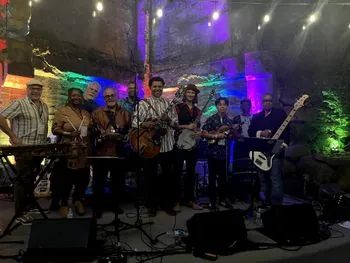
Related post
African Banjo: Where Did the Banjo Originate?
The Ngoni (Ancestor of the Banjo)
Read the article
Related post
Where Did Bluegrass Originate? A Short History
How bluegrass took shape in Kentucky and the wider South, and why Bill Monroe’s Blue Grass Boys gave the music its name.
Read the article