
Bluegrass guitar rhythm is the quiet engine of a string band. It does not need to be the loudest part to be essential. A steady acoustic guitar holds the chords, meets the bass in the pulse and leaves a clear path for a singer, banjo, mandolin or fiddle to speak. Learn to hear that job, and a bluegrass band starts to make much more sense.
The short answer: hold the song together
In a bluegrass band, rhythm guitar gives the song shape. It tells the listener where the chords are moving, reinforces the beat with the bass and helps the ensemble stay together when one instrument takes a featured break. It is not simply background strumming. It is active listening, made audible through a clear acoustic pulse.
Smithsonian Folkways describes the classic bluegrass lineup as banjo, guitar, fiddle, mandolin and bass, with guitar and bass carrying the downbeat and creating the rhythmic foundation. That description is useful because it puts the guitar in a partnership. The guitar does not have to imitate a drum kit or compete with the lead instruments. Its job is to make the whole band feel secure enough to move.
For a new listener, that may sound modest. In practice, it is one of the most demanding roles in the music. A guitarist has to know the song form, hear chord changes early, control volume, match the bass player and make room for every other musician. When those choices are right, people feel the groove before they notice the guitar.
Start with the bass, not the spotlight
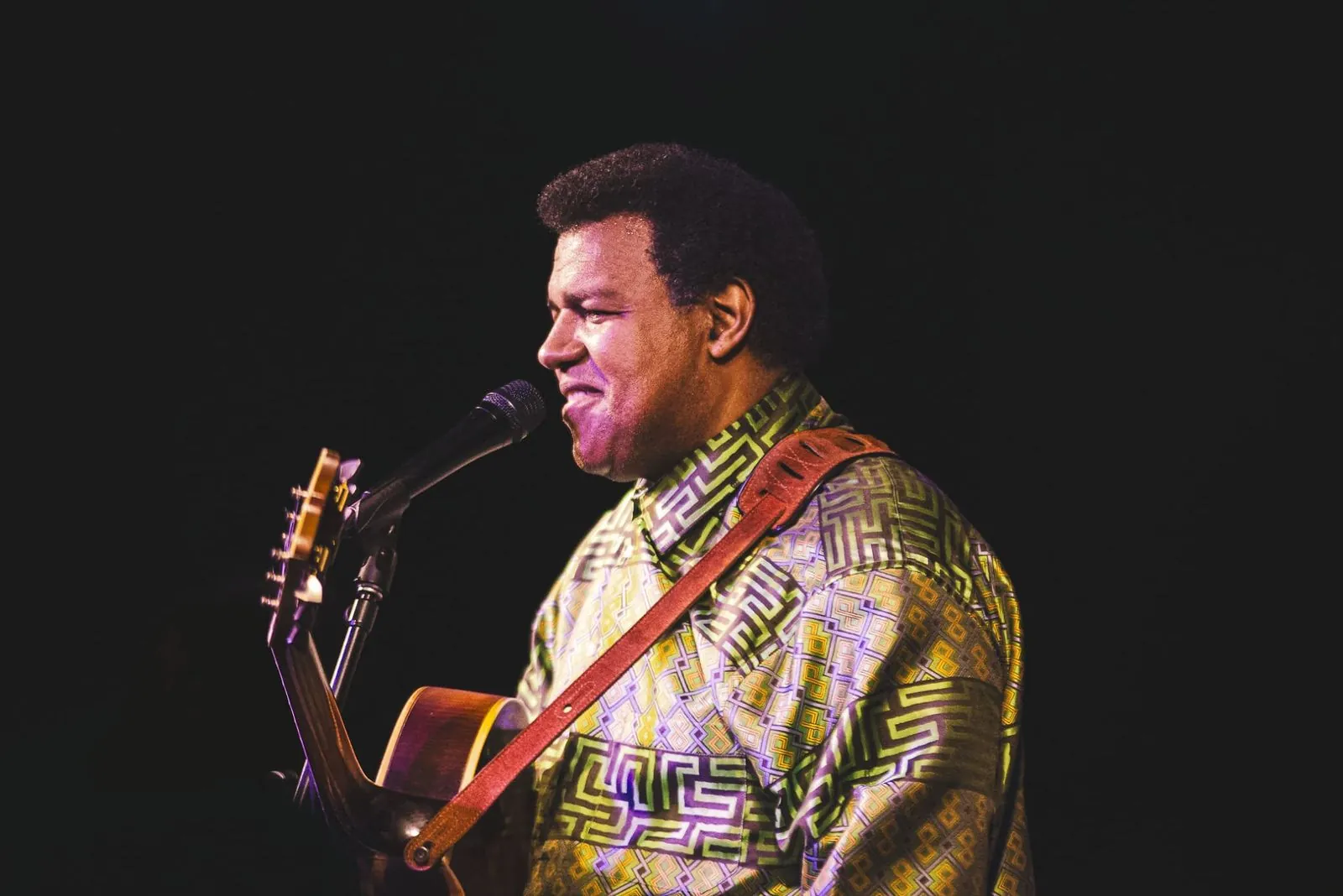
The quickest way to hear bluegrass guitar rhythm is to find the upright bass first. Let the low notes show you the main beats, then listen for the guitar around them. The bass gives the music a floor. The guitar gives that floor harmonic color and a consistent forward push. When the two players agree on time, the rest of the group has room to create melody, harmony and short answers without losing the song.
This is why good rhythm guitar can feel almost invisible until it disappears. The player is making the chord progression clear without crowding the vocal. During a verse, that might mean a firm but controlled strum. During a solo, it might mean a lighter attack that still lets the lead musician hear the changes. The sound is supportive, but it is never passive.
The Library of Congress describes bluegrass as a modern string-band style whose timing can surge slightly ahead of the beat, creating an energized effect. That lift is not created by one player rushing. It comes from the whole group agreeing on where the motion lives. The guitarist helps keep that agreement audible, especially when the arrangement becomes busy.
Make the chord changes easy to hear
A bluegrass song often gives the guitarist a deceptively simple assignment: make the harmony easy to follow. The player does that by changing chords cleanly and with enough confidence that a singer or soloist can lean into the phrase. There is no prize for making every chord sound huge. The useful question is whether the next change feels inevitable to everyone in the room.
That clarity matters in a jam as much as it does onstage. A person taking a banjo or fiddle break may not be watching a chart. They are listening for the progression. A guitarist who changes early, late or uncertainly can make the melody player hesitate. A guitarist who keeps the form clear makes it easier for the entire circle to take risks and return together.
For listeners, try following the guitar during a chorus. Notice whether it grows a little stronger when the lyric needs a lift, then relaxes again under a more delicate phrase. Those small changes tell the story of the arrangement. They also explain why a rhythm player can make a band sound polished without taking a long solo.
Build confidence one job at a time
For a guitarist learning the style, the most useful practice is often less glamorous than a fast lick. Choose one familiar song and make the chord changes land evenly while counting the pulse out loud. Then play the same progression more quietly. Then try making the change into a chorus slightly more present without speeding up. Those are small exercises, but they train the ear and hand to work together.
Next, listen to a recording without playing. Mark the moment where a verse ends, a chorus begins and a break starts. When you pick up the guitar again, aim to make those landmarks clear with the simplest possible rhythm. The goal is not to copy every detail from a favorite recording. It is to learn what the band needs at each point in the form.
Working this way also makes a player easier to join at a jam. Other musicians can trust a guitarist who holds the time, hears a change and leaves room. Flashy ideas can come later. A dependable rhythm part is already a musical contribution, and it gives a player the foundation to explore bass runs, fills and lead work with better judgment.
Rhythm means space as well as sound
A common early mistake is to assume that a strong bluegrass rhythm part must fill every available moment. It does not. Bluegrass works because its instruments have distinct voices. The bass marks the pulse. The mandolin can add a short offbeat chop. Banjo rolls and fiddle phrases create movement above the chords. If the guitar occupies all that same space, the sound can lose its shape.
Good rhythm playing chooses what not to play. A guitarist may shorten a strum beneath a mandolin chop, leave more air under a vocal line or soften when a fiddle begins a break. None of those choices make the guitar less important. They make its support more useful. The band begins to sound like a conversation rather than several musicians speaking at once.
That principle is also why bluegrass feels so different from a solo acoustic performance. One guitarist alone may use bass notes, chords and melody to fill a room. In a five-piece string band, the work is distributed. The rhythm guitarist serves the group by trusting the other players to do their parts well. That discipline is part of the music’s excitement.
Hear the difference between a verse and a break
Bluegrass gives each instrument chances to lead, but the guitar’s rhythm role continues through those handoffs. During a verse, it supports the singer and close harmony. During an instrumental break, it keeps the chord movement steady while the featured player takes the foreground. Smithsonian Folkways notes that bluegrass melody instruments take turns carrying the melody while the others return to backing. Guitar rhythm is one of the clearest ways that backing stays alive.
Listen for a simple change in density. When the singer begins, the guitar may sound broader and warmer. When the banjo takes a break, the player may become more precise and less forceful, leaving space for the roll to register. When the whole band returns to a chorus, the guitar can again help make the harmony feel full. The part changes without abandoning its central responsibility: keep the song moving.
The band’s guide to bluegrass jams explores how players share these breaks in a room. A guitarist who can hear the form and offer a dependable pulse is not merely accompanying the jam. They are helping everyone else know when and how to enter.
Do not confuse speed with drive
Fast bluegrass can make rhythm guitar look like an endurance contest. Speed matters only after the timing is settled. A rushed strum can make a band feel anxious; a clear, even pulse can make the same tempo feel exciting. Drive comes from shared attention, not from trying to play more notes than the next person.
At a slower tempo, the same principle becomes easier to hear. There is more space between the beats, so the guitar must make each chord change feel intentional. If the player becomes hesitant, the whole song can sag. If the player stays relaxed and clear, a ballad can still have forward motion. That is one reason rhythm guitar is a valuable way to learn ensemble listening: it teaches a musician to serve time before chasing display.
The band’s bluegrass rhythm guide gives the wider picture, including the roles of bass, mandolin, banjo and fiddle. Guitar becomes easier to understand once you hear it as one voice in that larger rhythmic design.
How to listen for the guitar at a bluegrass show
You do not need to play guitar to hear what it contributes. At a concert or jam, try this short listening exercise:
- Find the low pulse: Follow the bass for a few beats, then notice where the guitar adds the chord.
- Watch a chord change: Listen for the moment a verse turns toward a chorus or a break. Does the guitar make the new harmony obvious?
- Notice the space: When a mandolin, banjo or fiddle takes the lead, hear how the guitar stays present without taking over.
- Compare dynamics: Listen for a softer verse, a rising chorus and a controlled backing part under a solo.
That exercise turns a busy acoustic sound into a set of clear relationships. It also shows why rhythm guitar is so satisfying when it is done well. The player is constantly responding to the room, not repeating an isolated pattern.
Rhythm guitar in the wider roots conversation
Bluegrass guitar belongs to a larger American roots conversation. The instrument can carry rhythm, melody and blues feeling, depending on the song and the ensemble around it. The Library of Congress notes the range of traditions that shaped bluegrass, including old-time music, blues, gospel, jazz and popular music. That history does not make the styles interchangeable. It makes careful listening more rewarding.
Pascal Bokar AfroBlueGrazz brings a particularly rich perspective to that conversation. Pascal’s musical background connects Mali and Senegal with blues, jazz, bluegrass and Afro-funk. The band’s recordings give listeners a place to hear how rhythm, response and improvisation can meet across those traditions while keeping each voice distinct.
For presenters and educators, the concert and education programs bring the music and its histories into the same room. A question about guitar rhythm can become an invitation to hear how a whole ensemble organizes sound, memory and shared attention.
A final way to hear the groove
On your next bluegrass song, do not start by following the fastest instrument. Find the bass. Add the guitar. Notice when the mandolin sharpens the offbeat, then listen to the banjo or fiddle move above that foundation. When a solo changes hands, stay with the guitar long enough to hear how it keeps the form clear.
That is the heart of bluegrass guitar rhythm: clear chords, steady time, useful space and attention to everyone else in the band. It is not a lesser role. It is the work that lets the melody take flight.
Frequently asked questions
What is bluegrass rhythm guitar?
Bluegrass rhythm guitar is the steady acoustic guitar work that supports a singer, marks the chord movement and helps the band keep a shared pulse. It is less about filling every space than making the song feel dependable and open for the other instruments.
What makes bluegrass guitar rhythm different?
Bluegrass guitar usually works inside a string-band arrangement. The player must stay connected to the bass, leave room for mandolin, banjo and fiddle, and make chord changes clear enough for instrumental breaks and close harmony.
Should a bluegrass guitarist play during solos?
Usually, yes, but with restraint. During a break, the guitar keeps the chord progression and pulse clear while the soloist takes the foreground. The best choice depends on the song, the room and what the rest of the band is already providing.
Do I need fast strumming for bluegrass rhythm guitar?
No. Reliable timing, clear chord changes and attentive dynamics matter more than raw speed. A slower song still needs a guitarist who can make the pulse feel settled and leave space for the melody.
Related posts

Related post
What Is Bluegrass Rhythm? Hear the Drive
Learn how bass, guitar, mandolin, banjo and fiddle create bluegrass drive, and how to hear the pulse in a live string band.
Read the article
Related post
Bluegrass Instruments: A Listener’s Guide
The six essential bluegrass instruments, banjo, mandolin, fiddle, guitar, bass and resonator guitar, and how they work together.
Read the articleRelated post
What Is a Bluegrass Jam? A Listener’s Guide
How a bluegrass jam moves through songs, breaks, rhythm and shared listening.
Read the article